
The machining world increasingly relies on advanced cutting materials, and ceramic inserts stand among the most important tools used in high-speed and precision applications. As demand grows for stable, efficient cutting solutions in difficult-to-machine materials, choosing the right ceramic inserts and understanding how they perform becomes essential. This article explores their characteristics, the role of ceramic inserts manufacturers, and the machining conditions where these tools deliver their best results, all while emphasizing the importance of material stability and durability in modern cutting environments.
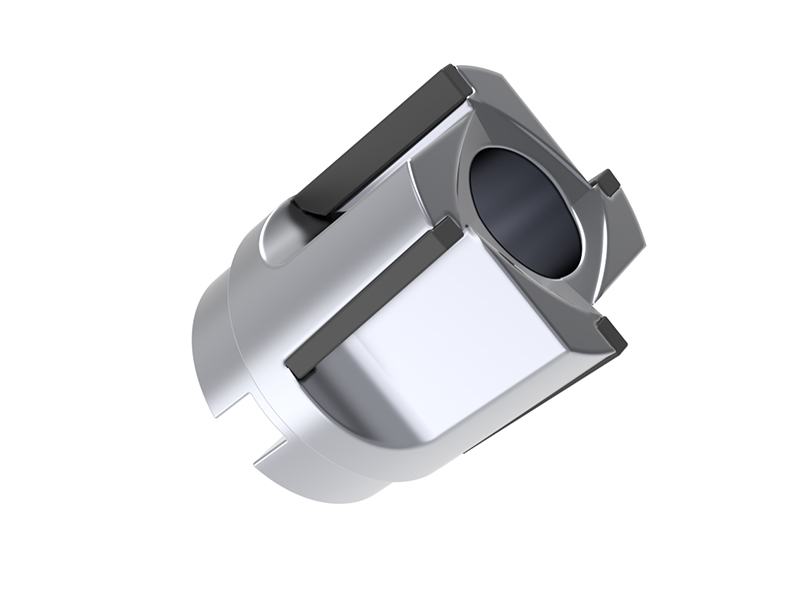
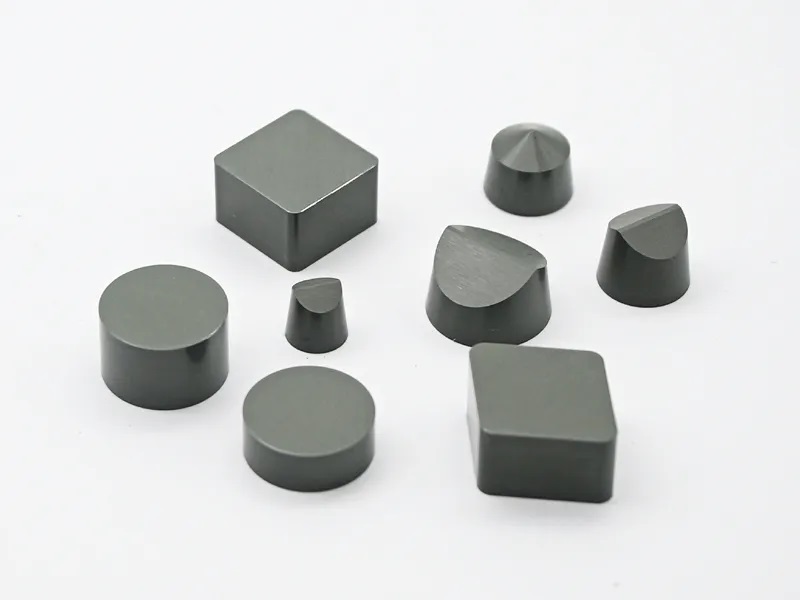
Ceramic inserts are widely used due to their unique structural stability and strong resistance to wear during high-speed cutting operations. JoyJet ceramic inserts are designed for cutting scenarios involving elevated temperatures, allowing them to maintain excellent hardness when machining difficult materials. According to the product page, these inserts offer reliable performance when cutting heat-resistant alloys, hardened steels, and other challenging metals due to the inherent thermal stability of ceramic materials. Their ability to maintain cutting-edge sharpness reduces tool degradation and supports consistent surface quality. JoyJet focuses on insert geometry and material structure so that the ceramic inserts can operate smoothly even in demanding environments, offering balanced hardness and toughness suitable for high-efficiency cutting tasks.
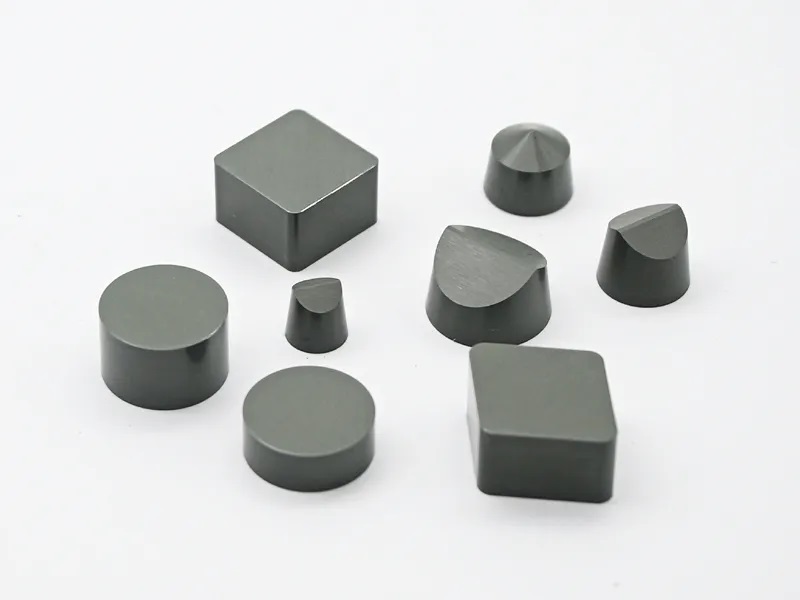
Professional cutting inserts manufacturers play a decisive role in ensuring the durability and performance of each insert. For brands like JoyJet, manufacturing emphasizes consistency of materials and the refinement of insert shapes. Because ceramic inserts behave differently from carbide inserts, manufacturers must ensure the sintering process, composition, and finishing are precisely controlled. JoyJet's ceramic inserts, as described on the product page, are engineered to deliver stable cutting performance when machining heat-resistant alloys or hardened components. Manufacturers must maintain exacting standards to ensure the microstructure of each insert provides the expected mechanical strength. The synergy between design, material composition, and finishing determines the insert's ability to cut efficiently in environments where temperature and stress are constantly changing.
One of the defining characteristics of ceramic inserts is their ability to endure high temperature conditions without losing structural integrity. When these inserts are applied in continuous or interrupted cutting, they absorb less heat compared to many metal-based inserts, allowing them to perform reliably at high speeds. JoyJet ceramic inserts are designed to withstand the thermal environment created by friction and cutting forces when machining heat-resistant materials. Their thermal stability helps retain cutting-edge geometry during long machining cycles. The inserts also resist softening at extreme temperatures, making them suitable for operations where other tool materials may deform or lose sharpness. This ability to handle thermal stress is one of the primary reasons many manufacturers adopt ceramic inserts for specialized machining of hard metals.
The decision to choose ceramic inserts often depends on the machining requirements and the experience offered by ceramic inserts suppliers. JoyJet, as shown in its ceramic insert listing, produces inserts focused on delivering dependable performance for users dealing with hardened steel and heat-resistant alloys. Manufacturers with extensive understanding of ceramics can optimize insert geometry and improve material stability, ensuring the inserts perform well under high temperatures and demanding cutting conditions. The precision of the manufacturing process directly affects the cutting quality, stability, and lifespan of the insert. Users who rely on ceramic inserts for consistent performance often seek suppliers capable of producing inserts with uniform quality and strong material reliability, qualities that JoyJet highlights in its product descriptions.
Ceramic inserts deliver their greatest advantages in machining environments where temperature, hardness, and cutting forces challenge traditional insert materials. They are commonly used when machining hardened steels, cast irons, or heat-resistant alloys. JoyJet ceramic inserts are particularly suited for these applications, based on the materials they are engineered to handle. These inserts support high-speed cutting, allowing manufacturers to achieve smooth finishes and stable performance. In settings requiring both precision and heat tolerance, ceramic inserts provide controlled cutting with reduced wear. They also suit situations where long, uninterrupted machining cycles require inserts that retain sharpness without significant deformation. For industries processing components exposed to thermal loads or requiring precise tolerances, ceramic inserts offer a stable solution.
By understanding the performance characteristics, thermal stability, and specialized applications of ceramic inserts, users can better evaluate how these tools fit into modern machining requirements. With the expertise of manufacturers like JoyJet, who also provide diamond tools wholesale options for broader industrial needs, ceramic inserts continue to play a crucial role in supporting reliable and precise cutting processes, especially in challenging environments involving hardened materials and high temperatures.