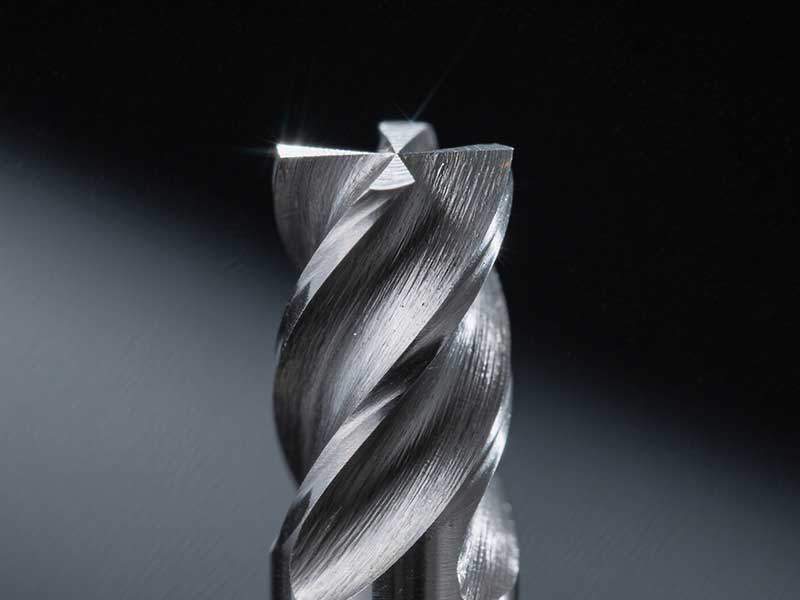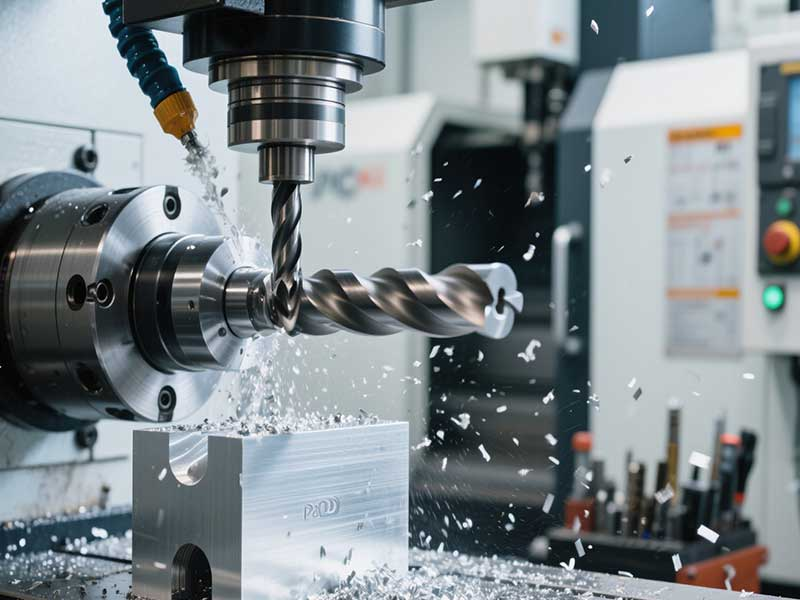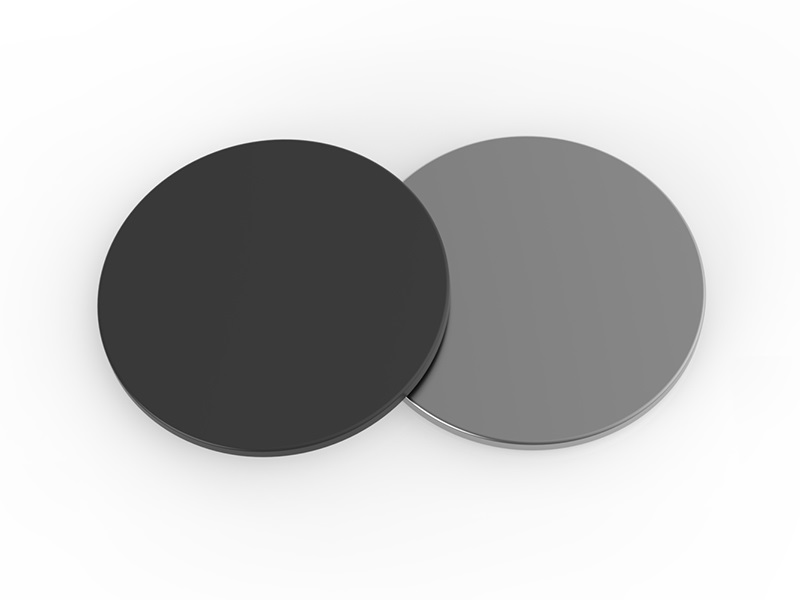

Ensuring optimal performance with JoyJet PCD blanks requires not only understanding the product itself, but also how to maintain, choose, and properly apply these specialized cutting-tool materials. This guide delves into the nature of PCD blanks, their parameters, best practices for selecting the right blank for each job, how to safely handle and store them, and when to seek technical support.
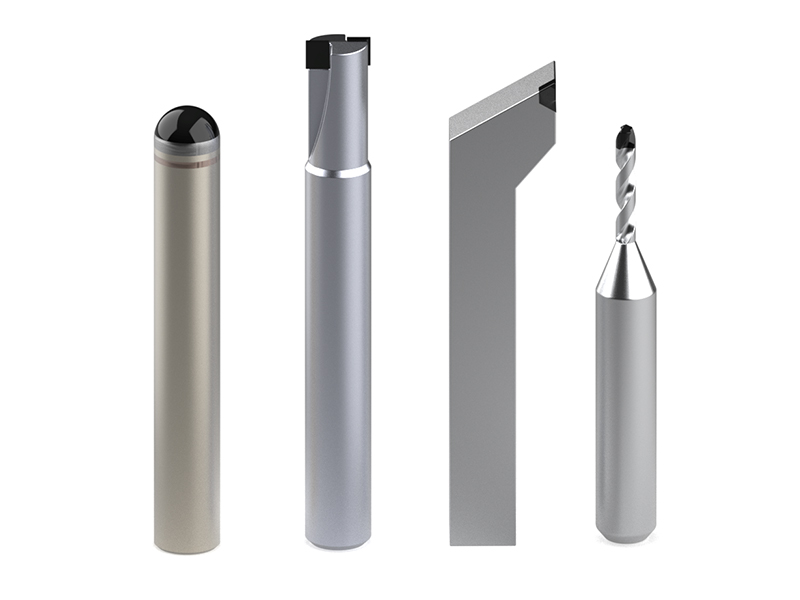
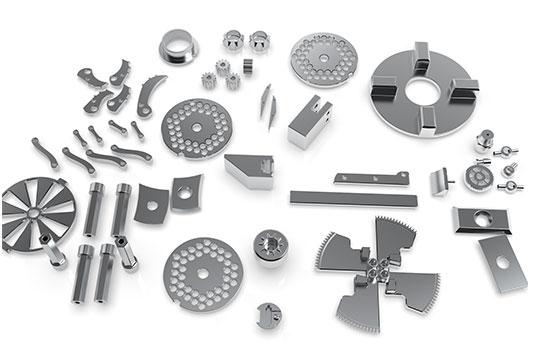
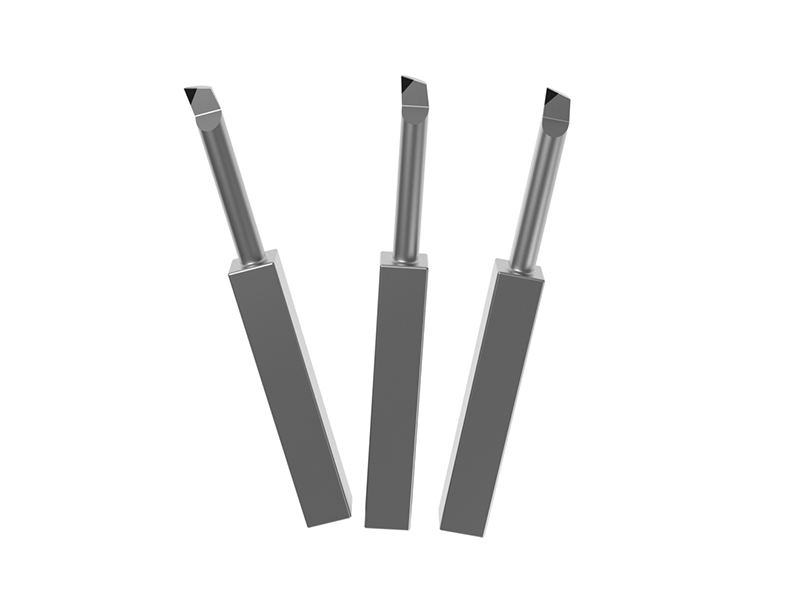
JoyJet's PCD blanks are manufactured from synthetic polycrystalline diamond, where diamond particles are sintered under extremely high temperature and pressure to form a dense, robust structure. This process results in a material that combines unmatched hardness with high wear resistance, exceptional thermal conductivity, low friction, and strong shock resistance. These characteristics make JoyJet PCD blanks particularly well-suited for manufacturing automotive PCD tools used to machine non-ferrous and non-metallic materials, such as aluminum alloys, wood-based substrates, and composite boards. JoyJet provides a selection of PCD blank grades, each tailored to specific applications: for example, their SJP850 blank with 0.9μm grain size is designed for finishing titanium alloys and tools that require mirror-polished surfaces, while coarser blanks like the SJP025 (25 μm) are ideal when higher wear resistance is needed.
When evaluating JoyJet PCD blanks, one of the critical factors to consider is the grain size. Smaller grains (for instance, 0.9 µm in SJP850) provide excellent surface finish and cutting-edge sharpness, while larger grains (e.g., 25 µm in SJP025) give better wear resistance under heavy-duty applications. The binder material, such as cobalt (Co) in JoyJet's standard blanks, contributes to both strength and toughness. Another vital parameter is the total thickness of the blank (JoyJet's blanks vary from around 1.6 mm to 3.2 mm), combined with a fixed diamond-layer thickness (JoyJet lists 0.4–0.7 mm)— this determines how much material you can grind into your final tool without compromising structural integrity. These detailed specifications help ensure that each PCD blank is matched to its intended application, whether for cutting, turning, or creating PCD ball nose end mills.
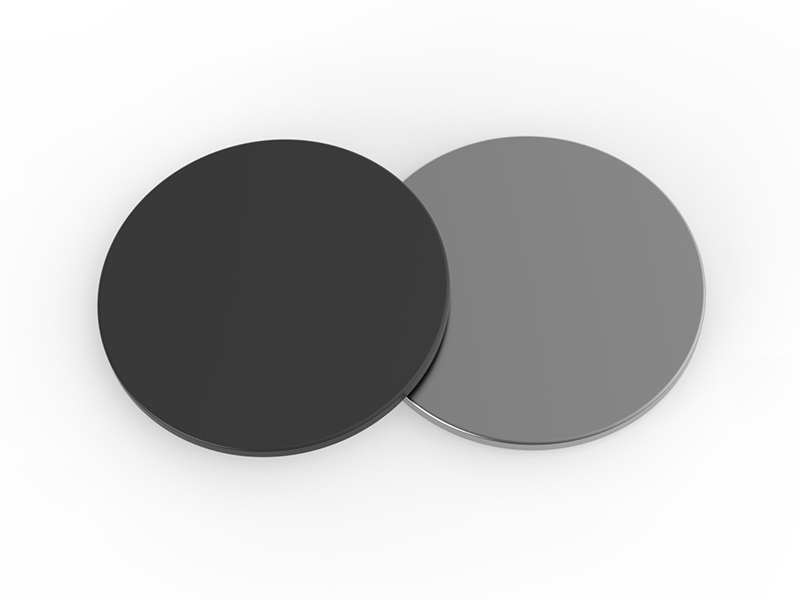
Selecting the correct PCD blank starts with analyzing the material you plan to machine: for non-ferrous metals like aluminum or copper and for composite or wood-based substrates, different PCD grades shine in different contexts. A fine-grained blank such as SJP850 may be the best choice for crafting a PCD micro drill, ultra-fine finishing, or mirror surfaces, while coarser blanks like the SJP010 or SJP025 are better when wear resistance is your priority. Consider the workpiece structure — for example, laminates, MDF, or particleboard with challenging impact characteristics — and match that to a PCD blank with proven toughness. Also evaluate the cutting process: how deep or aggressive the cut will be, whether high-speed finishing or rough shaping is required. Finally, think ahead to how much grinding or rework you will perform on that blank: because JoyJet's diamond layer thickness is fixed, you need enough "diamond depth" to sculpt the tool you want without exposing underlying binder too soon.
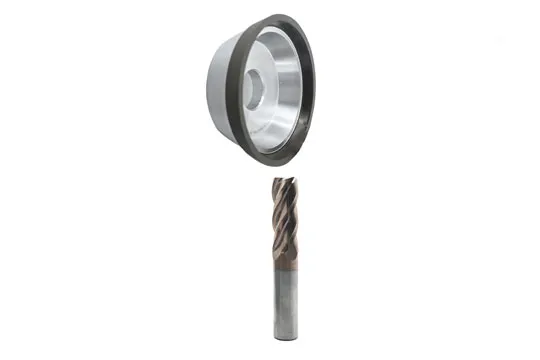
Proper handling of PCD blanks from JoyJet is paramount to maintain their integrity and performance. After receiving blanks, inspect each piece for visible damage or micro-cracks, especially around the edges, since any chipping can undermine tool strength during grinding or brazing. Store blanks in protective packaging, ideally in dedicated containers or soft foam trays, to prevent impacts or abrasion during transport or storage. When grinding or processing the blank, use appropriate diamond grinding wheels and cooling techniques to avoid overheating — PCD's excellent thermal conductivity helps, but excessive heat can still degrade performance. Finally, after processing, clean blanks carefully using non-corrosive cleaners and soft tools to remove any residue without scratching the diamond surface, preserving the blank's precision for optimal cutting life.
Even though JoyJet PCD blanks are engineered to be robust and reliable, there are times when expert support is advisable. If you observe micro-cracking after grinding or brazing, or if the blank's performance deteriorates unexpectedly under normal conditions, these could indicate issues with the sintering quality or sub-surface integrity. If your application involves new or exotic materials and you're unsure which PCD grade is optimal, contacting JoyJet's technical team can help you choose a blank that balances wear resistance, toughness, and surface finish. Additionally, for large order volumes or custom sizes (e.g., non-standard outer diameters or diamond layer thicknesses), getting a custom quote or specification review from JoyJet ensures you don't compromise on performance.
By fully understanding what JoyJet PCD blanks are made of, how to choose the right grade for your machining needs, how to handle and store them safely, and when to escalate issues to technical support, you can maximize tool life and machining efficiency. If you're ready to select your PCD blank, explore diamond tools wholesale opportunities, or require tailored advice, you can find more detailed specifications and request a quote on the JoyJet website.