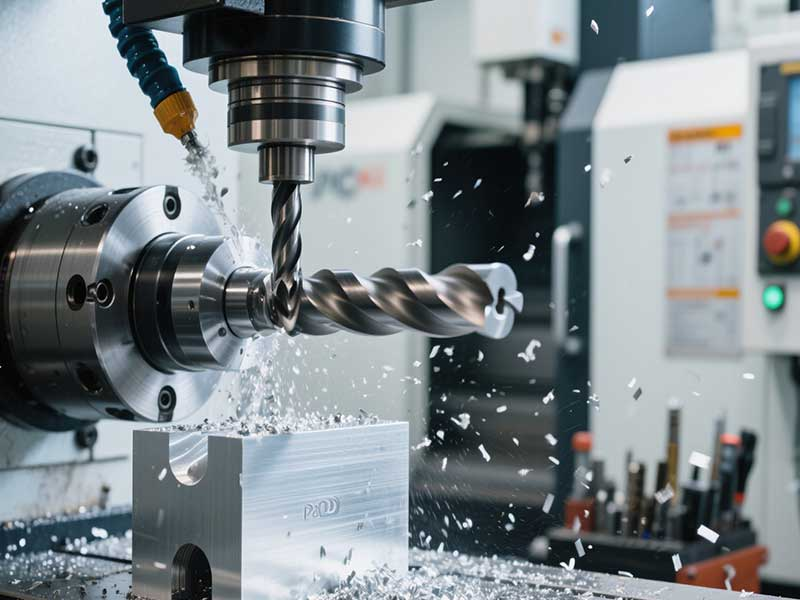

Modern machining operations often prioritize CNC upgrades, automation, and process optimization, yet final machining performance is governed at a much smaller level — the CNC cutting insert. Insert selection directly affects cutting stability, surface finish, tool life, and production cost, and even the most advanced machine tool cannot compensate for an insert that is mismatched to the workpiece material or cutting conditions. As one of the leading cutting inserts manufacturers, JOYJET Precision has consistently observed that CNC inserts choices are a critical factor shaping machining results across diverse industries.
During machining, inserts operate under intense mechanical stress, elevated temperatures, and constant friction, making their material composition, geometry, and edge preparation critical. These characteristics must be properly matched to the workpiece material, cutting parameters, operation type, and machine setup to ensure stable performance. When this alignment is overlooked, issues such as accelerated wear, cutting instability, inconsistent surface finish, and sudden tool failure frequently occur. In most situations, these problems stem not from the CNC machine itself, but from an insert being used beyond its intended performance range.
(1) Unstable Tool Life
Inserts that are not designed for high cutting loads or elevated temperatures may crack, chip, or wear rapidly. This is frequently seen in hardened steels, high-temperature alloys, or long-cycle machining operations.
(2) Inconsistent Surface Finish
Surface quality is highly sensitive to insert geometry and grade. Minor mismatches in nose radius, rake angle, or chipbreaker design can result in vibration, built-up edge, or uneven material removal, leading to rework or scrap.
(3) Thermal Failure at High Cutting Speeds
As machining speeds increase, thermal resistance becomes a critical factor in insert performance, yet each insert material has defined limitations. Standard carbide gradually loses hardness at high temperatures, ceramics resist heat but fail in interrupted cuts, CBN performs best in hard turning, and PCD cannot be used on ferrous metals. Overlooking these boundaries significantly raises the risk of sudden tool failure and instability.
JOYJET Precision engineers cutting inserts based on real machining conditions rather than theoretical parameters, ensuring reliable performance in demanding production environments.
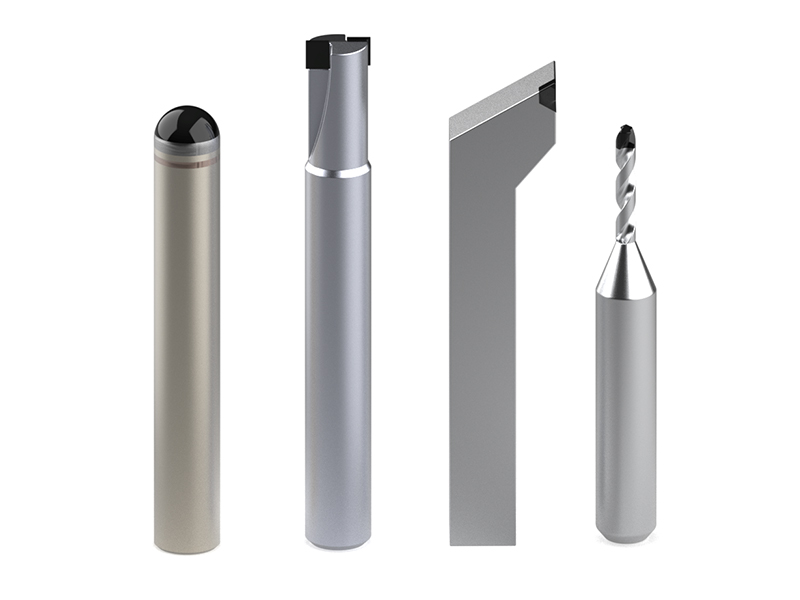
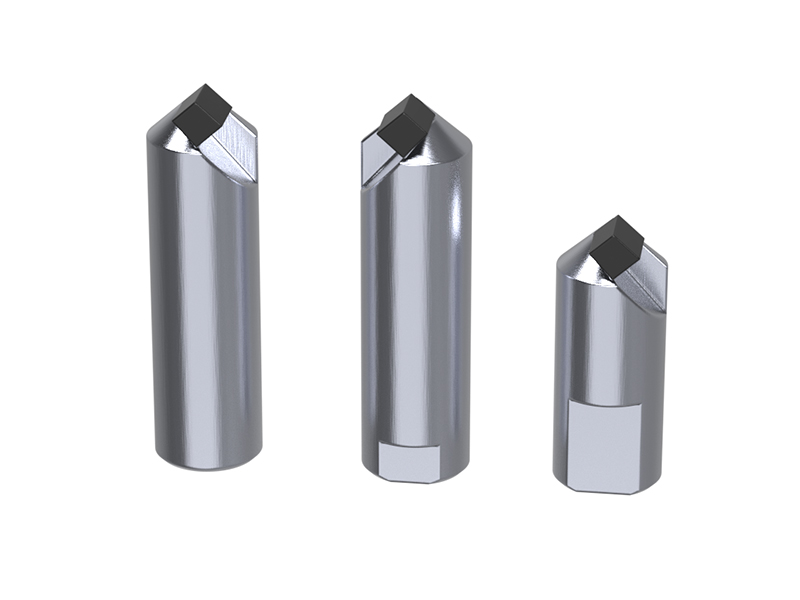
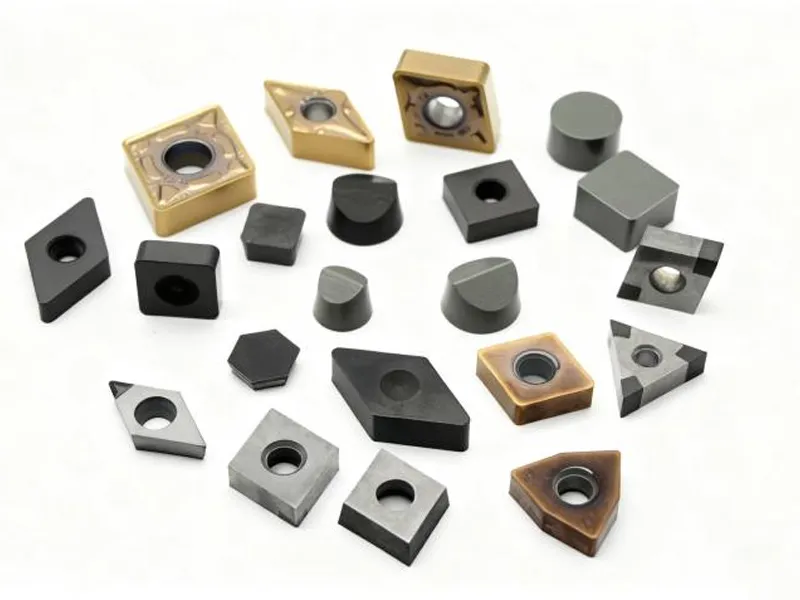
The product portfolio includes PCD inserts designed for non-ferrous materials such as aluminum, copper, magnesium alloys, composites, and carbon fiber, where ultra-sharp cutting edges, low friction, and extended tool life are essential for achieving superior surface finishes.
High-performance CBN tool inserts are developed for hardened steels and tool steels, delivering excellent thermal stability and dimensional accuracy in hard turning operations.
For high-speed machining and dry cutting, ceramic tool inserts provide outstanding heat resistance and productivity when processing cast iron and heat-resistant alloys.
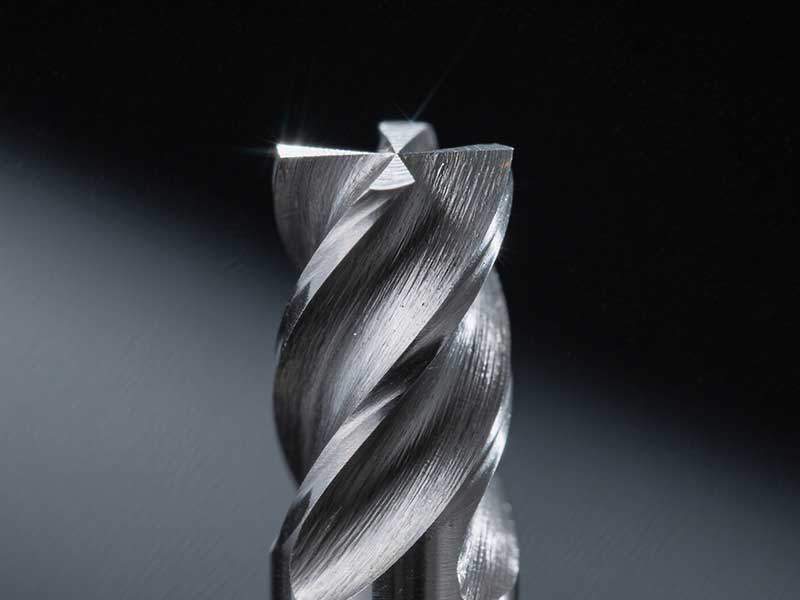
In addition, carbide inserts remain the most versatile solution, covering steel, stainless steel, cast iron, and non-ferrous materials, with options for standard geometries or customized chipbreakers, edge preparations, and grades.
Insert Type | Workpiece Materials | Key Benefits | Typical Use | Limitations |
PCD | Aluminum, copper, magnesium, composites, CFRP | Ultra-sharp edge, long tool life, excellent finish | High-speed non-ferrous machining | Not for ferrous materials |
CBN | Hardened steel (55–70 HRC), tool steel | High heat resistance, dimensional stability | Hard turning, grinding replacement | Not for non-ferrous materials |
Ceramic | Cast iron, HRSA | Excellent thermal resistance, dry cutting | High-speed continuous cutting | Poor in interrupted cuts |
Carbide | Steel, stainless steel, cast iron, non-ferrous | Versatile, cost-effective | General machining | Limited heat resistance |
Across all insert types, JOYJET emphasizes cutting stability, predictable wear behavior, and process consistency to support efficient and repeatable machining results.
Machining performance is shaped by far more than machine specifications alone. The insert, as the direct interface between tool and material, governs how cutting forces, heat, and wear are managed throughout the process. Its material structure, edge geometry, and application compatibility quietly determine whether machining remains stable or gradually drifts toward inconsistency.
Understanding this relationship is central to how JOYJET Precision develops its insert solutions. Rather than treating inserts as standard consumables, each product is engineered with close attention to real cutting conditions. Through controlled manufacturing and professional diamond tools wholesale services, JOYJET focuses on delivering inserts that perform consistently over time, helping machining processes remain reliable and efficient at the cutting edge.