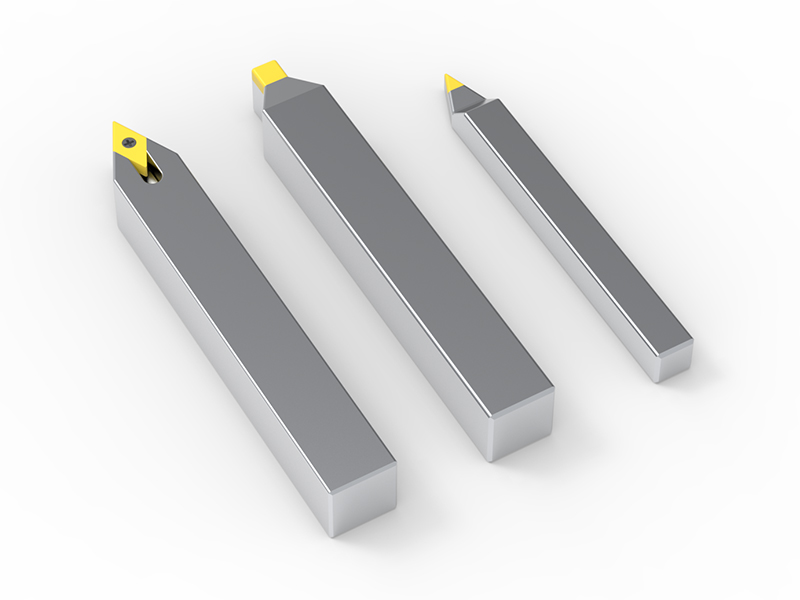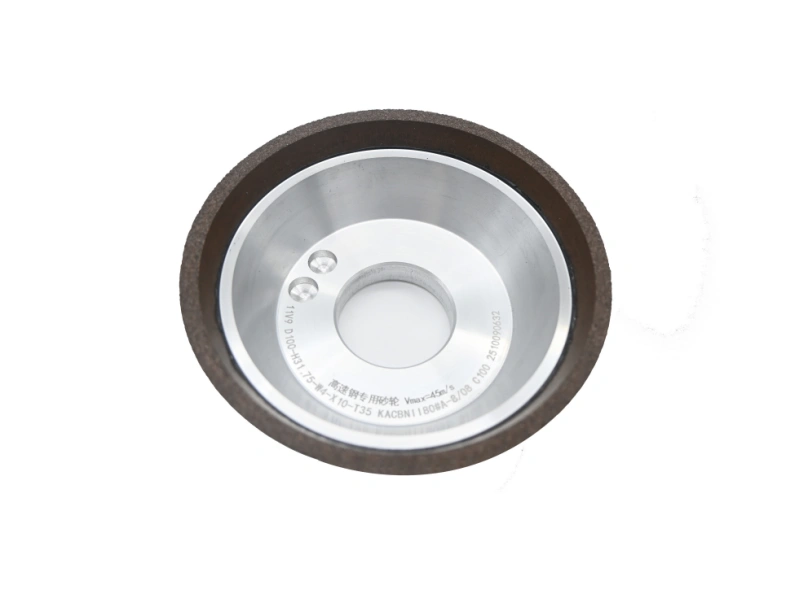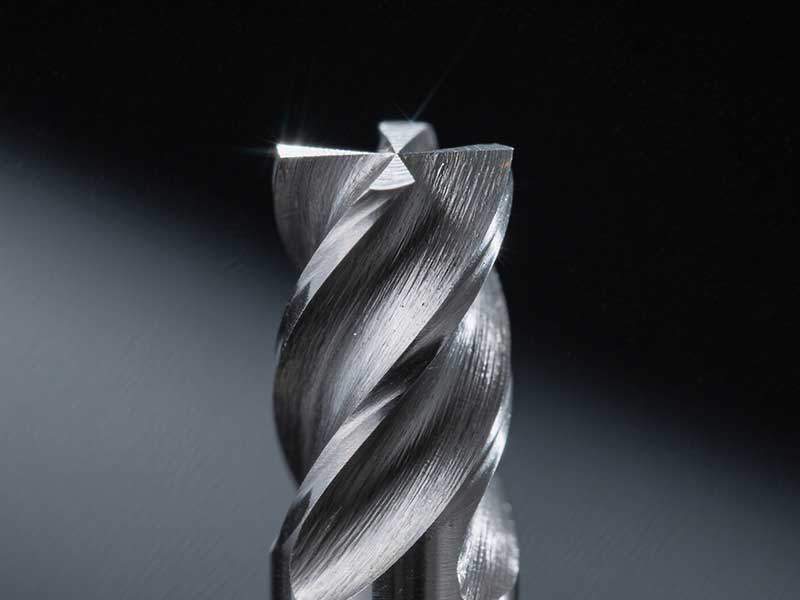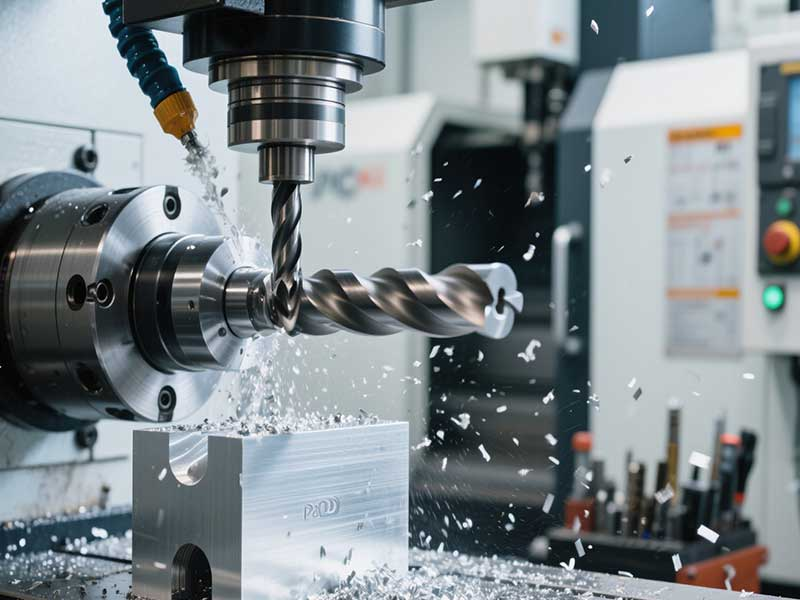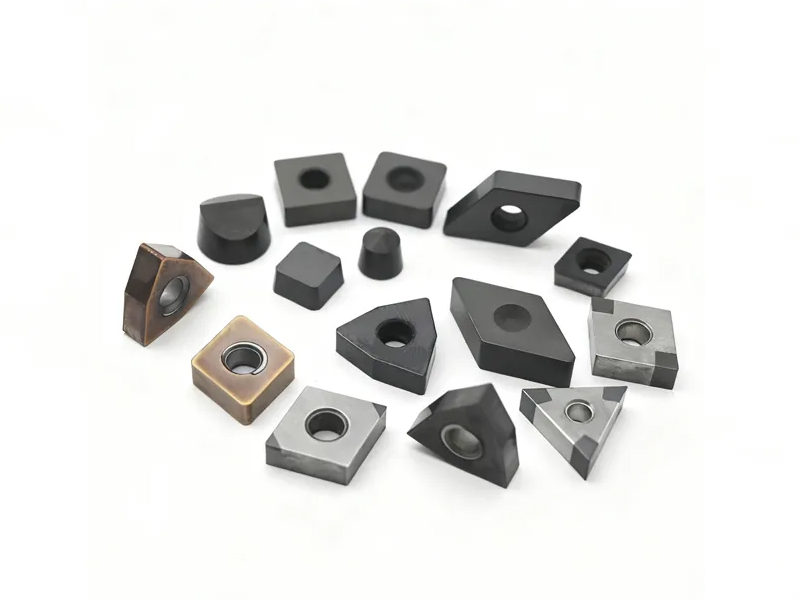

Choosing the right cutting insert is not only about hardness. In CNC turning, milling, boring, and finishing, the insert material affects tool life, surface finish, cutting speed, edge stability, chip control, and the final cost per part. For many machining shops, the real question is not “Which insert is the best?” but “Which insert is best for this material, this machine, and this production target?”
Carbide inserts, ceramic inserts, and CBN/PCBN inserts are all widely used in modern machining, but they are designed for different cutting conditions. Carbide is often the practical starting point for general metal cutting. Ceramic inserts can be useful for high-speed machining of cast iron, hardened materials, and heat-resistant alloys under stable conditions. CBN and PCBN inserts are often selected for hardened steels, cast irons, and hard turning applications where thermal stability and wear resistance are critical.
This guide compares these three insert types from a buyer’s point of view, helping engineers, production managers, and tool purchasers make a more confident selection.
Carbide inserts are usually made from cemented carbide, a composite material formed by hard carbide particles bonded with a metallic binder. In industrial contexts, “carbide” commonly refers to cemented tungsten carbide. Tungsten carbide is known for high hardness, with reported Mohs hardness values around 9.0–9.5, while diamond is rated 10 on the Mohs scale. This explains why carbide inserts remain a common choice for high-volume metal cutting, especially when the process requires a balance between hardness, toughness, and cost control.
Ceramic inserts are usually based on alumina, silicon nitride, or ceramic composite materials. They are hard and heat resistant, but less forgiving than carbide when the machine setup is unstable. In the right cutting condition, ceramic inserts can support high-speed machining and dry cutting. In the wrong condition, they may chip quickly.
CBN inserts use cubic boron nitride, a superhard material. CBN is especially valuable because it is more chemically suitable for machining ferrous materials than diamond at high temperature. Polycrystalline CBN, or PCBN, is commonly used for hardened steel, cast iron, and other difficult ferrous materials.
Carbide inserts are the most flexible choice for many CNC machining operations. They are used in turning, milling, boring, grooving, threading, and general-purpose metal removal. Compared with ceramic or CBN inserts, carbide inserts usually offer better toughness and a wider operating window, especially when the workpiece condition is not perfectly stable.
Buyers often choose carbide inserts wholesale when they need a reliable and economical solution for regular production, mixed materials, and different machining stages from roughing to finishing.
Carbide inserts are especially suitable when:
The workpiece material includes carbon steel, stainless steel, alloy steel, aluminum, or general cast iron.
The operation includes roughing, semi-finishing, or interrupted cutting where edge toughness matters.
The workshop needs a broad insert range for different CNC machines and production batches.
The buyer wants a practical balance between tool performance, insert cost, and process flexibility.
For many shops, carbide is the first insert material to test because it is adaptable. If tool wear is too fast, heat is too high, or surface finish is not stable, then ceramic or CBN may become a better option depending on the workpiece material.
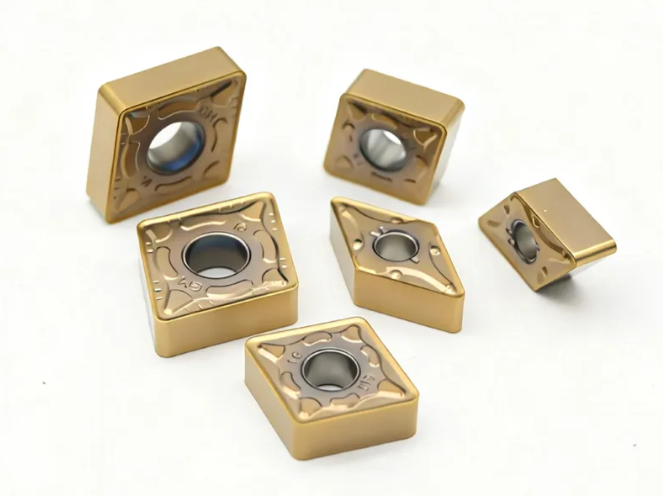
Ceramic inserts are more specialized. They can perform well in high-speed machining, especially when the machine tool is rigid, the workpiece is stable, and the cutting process does not involve severe vibration. They are often considered for cast iron, hardened materials, and heat-resistant alloys. However, they are not the safest choice for every job because ceramic materials are generally more brittle than carbide.
For buyers looking for ceramic machining inserts, the most important question is whether the cutting condition is stable enough. Ceramic inserts are not only about material hardness; they also require proper clamping, machine rigidity, suitable insert geometry, and carefully selected cutting parameters.
Ceramic inserts are worth considering when:
The operation is high-speed finishing or semi-finishing under stable cutting conditions.
The workpiece material generates high cutting temperature and abrasive wear.
The production goal is shorter cycle time rather than maximum edge toughness.
The machine setup can control vibration, runout, and workpiece movement.
In practice, ceramic inserts should be tested carefully before large-scale use. If the process includes heavy interrupted cuts, poor fixture support, or unstable workpiece geometry, carbide or CBN may be safer. Ceramic inserts often perform best when the process is already well controlled.
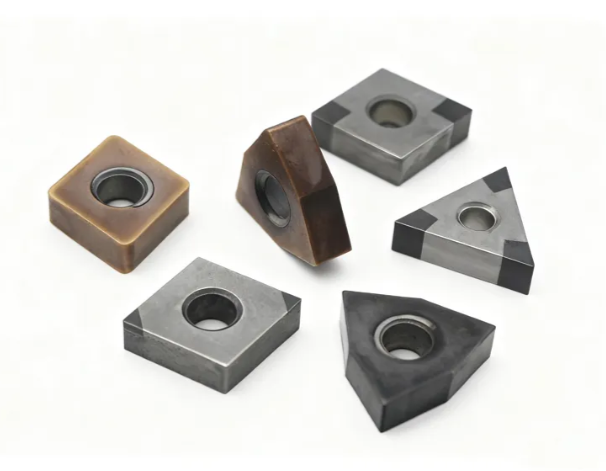
CBN and PCBN inserts are designed for demanding hard machining applications. They are commonly used in hard turning, finishing of hardened steels, cast iron machining, and high-precision production where tool wear and dimensional stability are major concerns.
Because cubic boron nitride is chemically more suitable than diamond for ferrous materials at high temperature, pcbn inserts are often selected for hardened steel and cast iron applications where PCD would not be appropriate. JoyJet’s CBN/PCBN insert page also positions these inserts for hardened steels and cast irons, which matches their common industrial use.
CBN or PCBN inserts are a strong option when:
The workpiece is hardened steel, bearing steel, tool steel, cast iron, or powder metallurgy material.
The process requires hard turning instead of grinding, especially for finishing operations.
Surface finish, dimensional repeatability, and tool wear control are more important than low insert price.
The machine, holder, and fixture are rigid enough to support hard cutting conditions.
CBN inserts are not always necessary for softer materials. For general steel, stainless steel, or mixed production, carbide may be more economical. For high-speed cast iron finishing or specific heat-resistant alloy operations, ceramic may also be competitive. The right choice depends on the actual machining condition.
| Insert Type | Best-Fit Materials | Main Strength | Main Limitation | Typical Buyer Scenario |
|---|---|---|---|---|
| Carbide Inserts | Carbon steel, stainless steel, alloy steel, aluminum, general cast iron | Good toughness, broad application range, practical cost control | May wear faster in very hard or highly abrasive materials | General CNC turning, milling, boring, and mixed production |
| Ceramic Inserts | Cast iron, hardened materials, heat-resistant alloys under stable conditions | High-speed machining and heat resistance | Lower toughness; sensitive to vibration and interrupted cutting | Stable high-speed finishing or semi-finishing where cycle time matters |
| CBN/PCBN Inserts | Hardened steel, bearing steel, cast iron, powder metallurgy materials | Excellent hard turning performance and wear resistance in suitable ferrous materials | Higher insert cost; requires rigid machine and proper parameters | Hard turning, finish machining, and replacing grinding in selected operations |
The table should not be read as a fixed rule. In real production, insert grade, coating, edge preparation, chipbreaker design, coolant strategy, and machine rigidity can change the result. A carbide insert with the right geometry may outperform a poorly selected ceramic insert. A CBN insert may deliver excellent finish in hard turning, but only when the machine and process are stable enough.
A practical insert selection process starts with the workpiece, not with the tool catalog. Buyers should first identify the material group, hardness, machining stage, and quality target. Then they can narrow the insert material.
For roughing or interrupted cutting, toughness is often more important than extreme hardness. For stable finishing, wear resistance and heat resistance become more important. For hardened steel finishing, CBN may be the right direction. For high-speed cast iron finishing, ceramic may be worth testing. For mixed production, carbide remains the most practical baseline.
Another factor is cost calculation. A lower insert price does not always mean lower machining cost. If an insert causes tool changes, unstable dimensions, rejected parts, or machine downtime, the real cost rises quickly. Buyers should compare cost per acceptable part, not only unit price.
When working with an insert supplier, provide the workpiece material, hardness, current insert type, machining method, cutting speed, feed rate, depth of cut, coolant use, and the main problem you are trying to solve. A supplier with real application experience can recommend a more suitable grade and geometry instead of only sending a standard catalog page.
Carbide inserts are the flexible baseline for many CNC jobs. Ceramic inserts fit stable high-speed machining, while CBN/PCBN inserts are stronger for hard turning and selected ferrous materials. The best choice depends on workpiece material, hardness, machine rigidity, cutting stability, and cost per finished part. JoyJet can help buyers compare insert options for practical CNC machining needs.
Not always. Ceramic inserts can outperform carbide in stable high-speed cutting, especially for certain cast iron, hardened materials, and heat-resistant alloys. However, carbide inserts are usually tougher and more flexible for general machining, roughing, and interrupted cutting.
CBN inserts are worth considering when machining hardened steels, cast irons, bearing steels, and other hard ferrous materials where carbide wears too quickly or cannot maintain surface finish. For softer or mixed materials, carbide may remain more cost-effective.
Some ceramic grades can handle light interruption, but ceramic inserts are generally more sensitive to impact than carbide. For heavy interrupted cutting, carbide or selected CBN grades may be safer depending on material hardness and machine rigidity.
CBN refers to cubic boron nitride as a superhard material. PCBN refers to polycrystalline cubic boron nitride, which is a manufactured cutting tool material made with CBN particles and binders. In machining, buyers often compare CBN/PCBN inserts together for hard turning and cast iron applications.
For hardened steel finishing, CBN or PCBN inserts are often preferred when the machine, fixture, and toolholder are rigid enough. For lower hardness or unstable cutting, carbide may still be used, but tool wear and surface finish should be checked carefully.
Buyers should compare material coverage, insert grade options, edge preparation, geometry design, technical support, inspection process, delivery stability, and the supplier’s ability to troubleshoot real machining problems. A suitable supplier should help reduce process risk, not only quote a low insert price.