
For manufacturers working with high-silicon aluminum, copper alloys, composites, ceramics, graphite, or other abrasive non-ferrous materials, tool selection is not only a purchasing decision. It affects hole accuracy, burr control, surface finish, tool replacement frequency, and the final cost per part.
PCD, or polycrystalline diamond, is widely used in precision cutting because diamond offers outstanding hardness, wear resistance, and low friction. On the Mohs hardness scale, diamond is rated 10, the highest reference value used in the scale. In thermal management research, single-crystal diamond has also been reported to reach thermal conductivity values as high as 2,200 W/(m·K). These properties help explain why PCD tools are often selected for abrasive, non-ferrous, and non-metallic materials where conventional carbide tools wear quickly.
However, choosing a PCD tool supplier is not as simple as comparing unit price. For micro drilling and precision machining projects, buyers need to look at application experience, edge quality, tool geometry, customization ability, inspection standards, and after-sales support.
A capable PCD tool supplier should provide more than catalog items. In real production, PCD tools are often used in demanding conditions where the workpiece material, spindle rigidity, coolant strategy, hole depth, and tolerance target all influence tool performance.
Before contacting suppliers, buyers should prepare several basic details:
Workpiece material, such as high-silicon aluminum, copper alloy, ceramic, graphite, CFRP, or GFRP.
Machining process, including drilling, reaming, boring, milling, turning, or finishing.
Key quality targets, such as hole diameter tolerance, burr control, surface roughness, and tool life expectations.
Machine conditions, including spindle speed range, toolholder rigidity, coolant method, and batch size.
This information helps the supplier recommend the right PCD grade, cutting edge design, flute structure, and shank configuration instead of offering a generic tool that may not match the process.
JoyJet provides PCD tool solutions for non-ferrous metals and non-metallic materials, including high-silicon aluminum alloys, carbon fiber, copper alloys, ceramics, and electronic component applications. For buyers comparing different pcd tool manufacturers, this application range is an important starting point because it shows whether the supplier understands the materials used in modern precision machining.
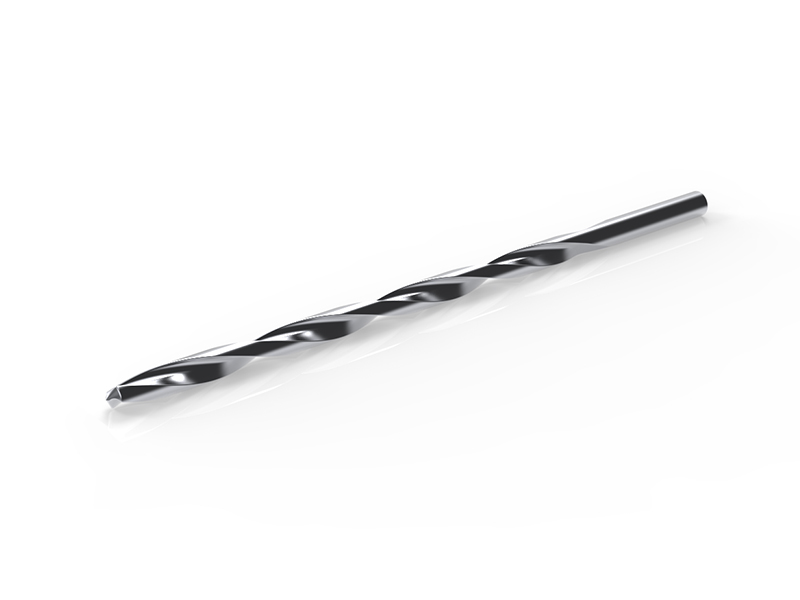
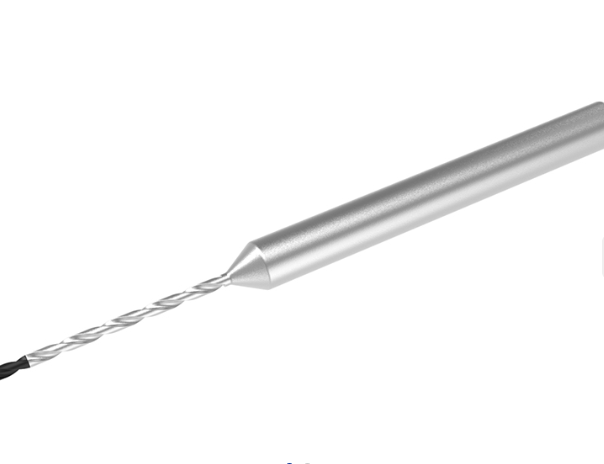
Micro drilling is one of the areas where supplier capability becomes especially important. A small tool diameter leaves little room for error. Minor edge defects, poor runout control, or unsuitable chip evacuation can lead to broken drills, oversized holes, burrs, or unstable hole quality.
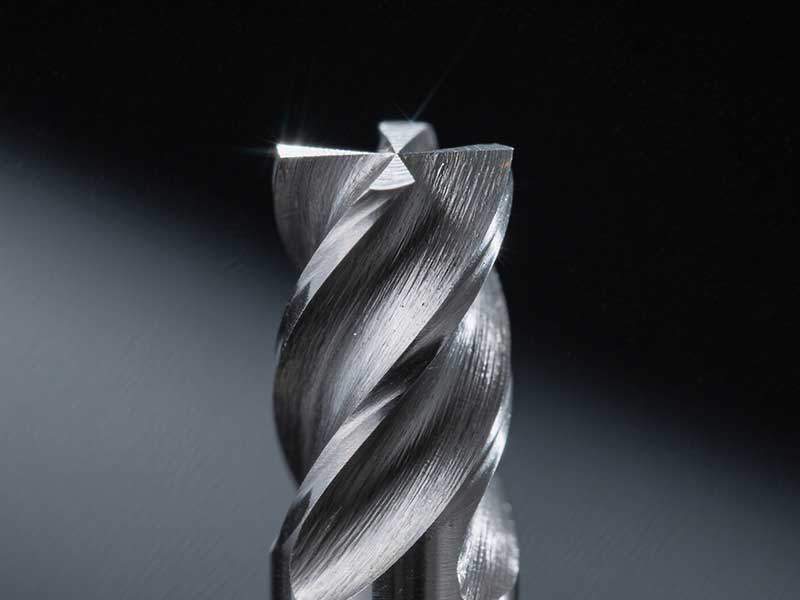
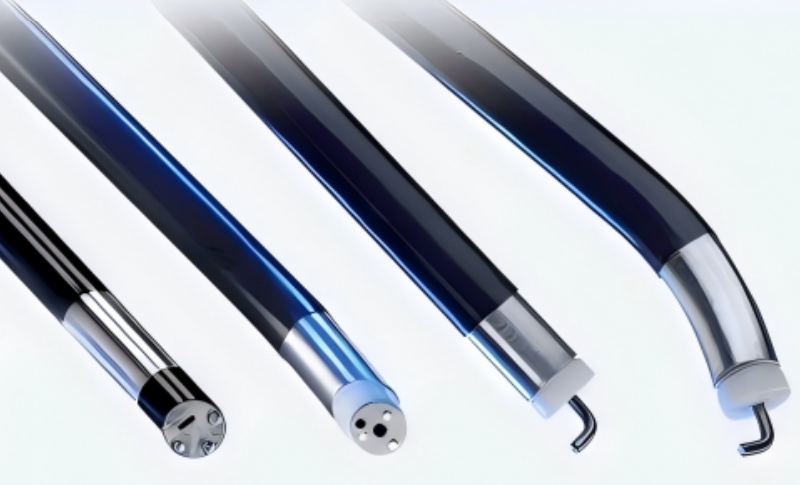
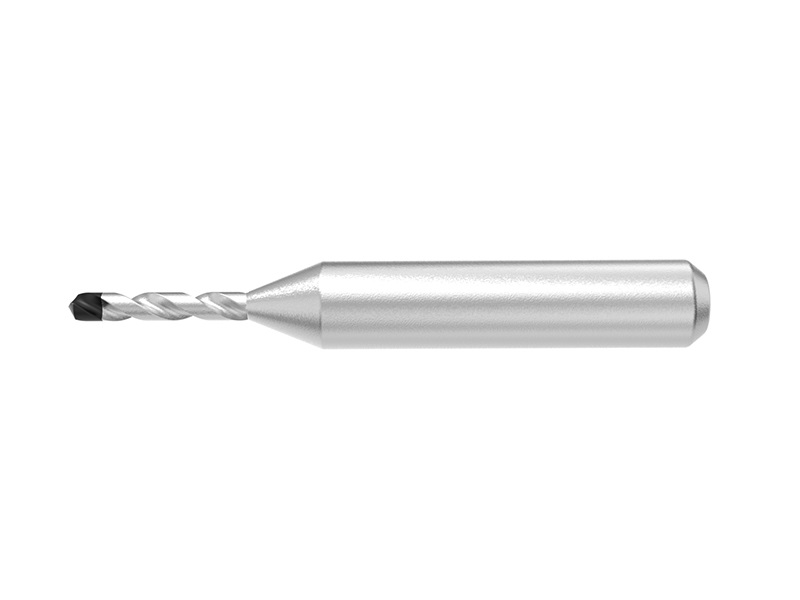
PCD micro drills are commonly selected for abrasive and difficult-to-machine materials because the cutting edge can maintain sharpness for longer under suitable conditions. For applications such as electronic components, semiconductor-related parts, precision automotive components, and small medical or aerospace parts, this stability can be more valuable than the initial tool price.
When evaluating diamond micro drills, buyers should focus on three practical factors:
Edge integrity: A clean, stable cutting edge helps reduce burr formation and wall tearing in small holes.
Shank rigidity: A high-rigidity shank reduces the risk of micro drill breakage during high-speed drilling.
Process matching: The tool should be matched to hole depth, workpiece hardness, material abrasiveness, and machine stability.
In micro drilling projects, the cheapest tool often becomes expensive if it causes scrap, machine downtime, or frequent tool changes. A better approach is to calculate cost per acceptable hole, not only cost per tool.
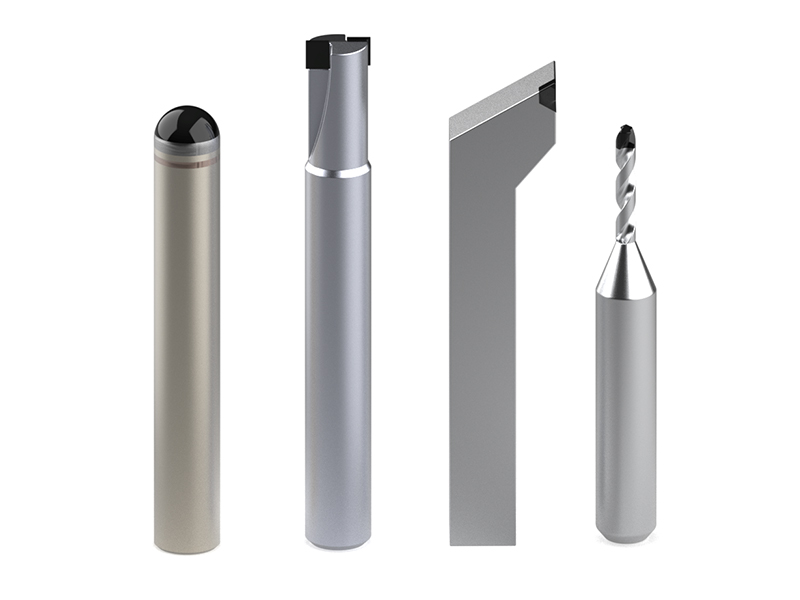
Different PCD tools solve different machining problems. A supplier that offers only one or two tool types may not be suitable for a project involving multiple operations, such as drilling, boring, finishing, and insert-based turning or milling.
| Machining Need | Recommended PCD Tool Type | Typical Materials | Buyer Evaluation Focus |
|---|---|---|---|
| Micro-hole drilling | PCD micro drills | High-silicon aluminum, copper alloys, ceramics, composites | Runout control, edge sharpness, burr reduction, breakage risk |
| Hole finishing, reaming, boring | PCD holemaking tools | Aluminum alloy parts, automotive components, precision housings | Hole accuracy, roundness, surface finish, repeatability |
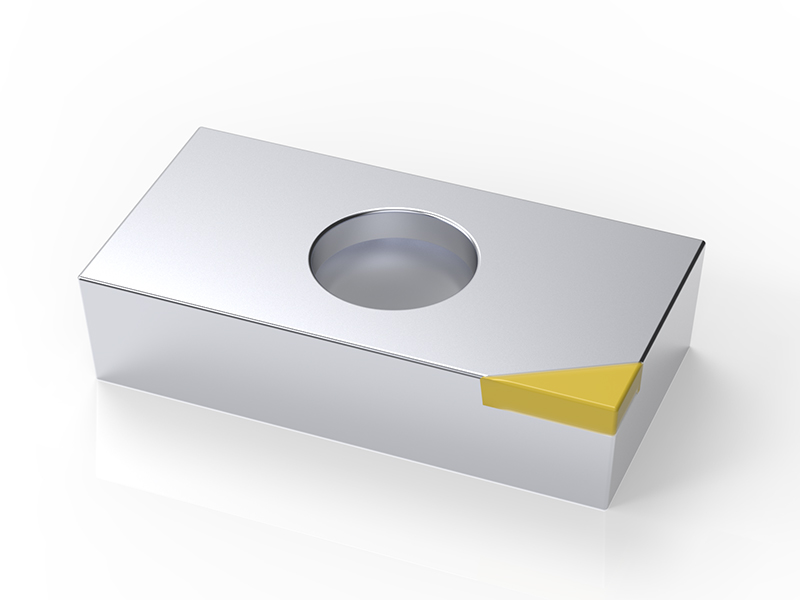
| Turning or milling non-ferrous parts | PCD inserts | Aluminum, copper, brass, graphite, composites | Insert geometry, chip control, cutting stability, tool life |
| Custom high-volume machining | Custom PCD tools | Application-specific non-ferrous and abrasive materials | Design support, drawing review, trial feedback, inspection data |
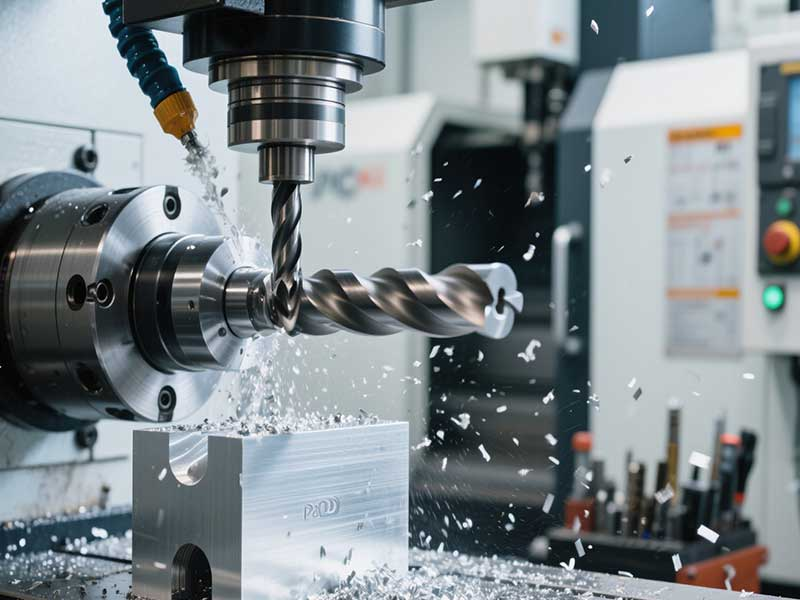
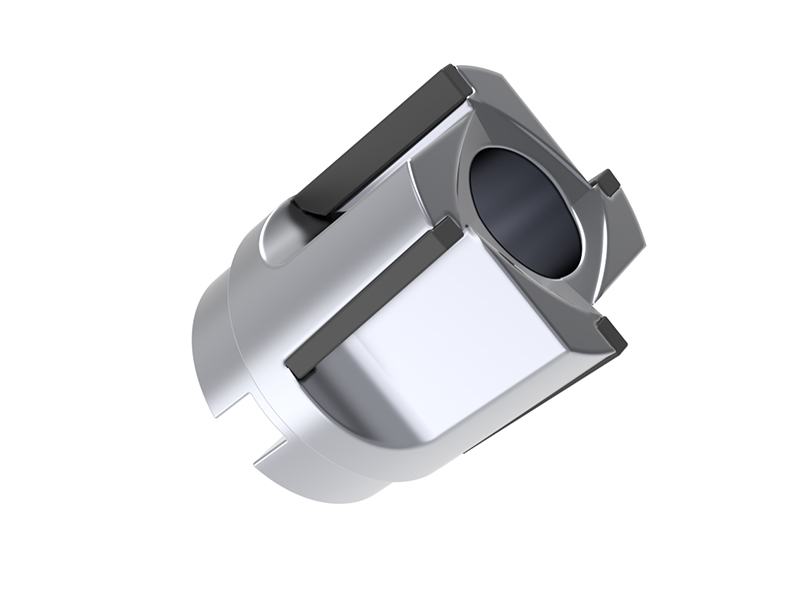
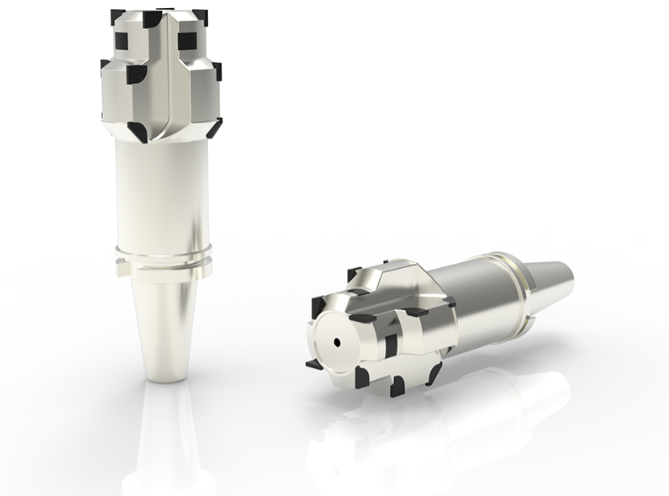
For manufacturers producing precision holes in aluminum or composite components, holemaking tools may be more suitable than standard drills alone. These tools can support operations where hole diameter, surface quality, and repeatability are more important than simple material removal.
For turning, milling, or finishing operations, buyers may also compare pcd inserts suppliers based on insert grade, edge preparation, geometry options, and application support. A strong insert supplier should be able to explain which insert is suitable for continuous cutting, light interrupted cutting, fine finishing, or abrasive non-ferrous materials.
The best supplier for a precision machining project is usually the one that asks detailed technical questions before quoting. This is especially true for PCD tools, because the same tool material can perform very differently depending on geometry, edge treatment, and process conditions.
When comparing suppliers, check the following points:
Material experience: The supplier should understand the difference between machining aluminum, copper, carbon fiber, ceramics, graphite, and other abrasive materials.
Tool design capability: Look for support with tool diameter, flute design, rake angle, clearance angle, edge preparation, and custom drawings.
Inspection process: Reliable suppliers should control tool dimensions, edge quality, surface finish, and consistency before shipment.
Application feedback: A good supplier can help adjust cutting parameters if tool wear, burrs, or unstable finish appear during trial production.
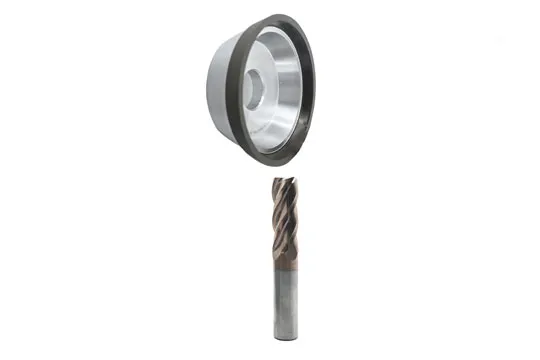
Reconditioning support: For some PCD tools, sharpening or reconditioning can reduce long-term tooling cost when the tool body remains usable.
Buyers should also avoid overfocusing on maximum tool life claims without understanding the test conditions. Tool life depends on workpiece material, cutting speed, feed, depth of cut, coolant, machine rigidity, and operator control. A responsible supplier should discuss these variables instead of promising one universal result for every application.
For a new supplier or a new material, it is better to start with a controlled trial instead of switching the entire production line at once. A small trial helps both sides understand the real machining condition.
A practical first trial can include one or two representative workpieces, a clear target tolerance, a defined tool life measurement method, and a simple inspection report. The trial should record cutting speed, feed, spindle runout, coolant method, hole count, burr condition, surface finish, and tool wear pattern.
If the trial result is not ideal, the cause may not always be the tool material. Common problems include insufficient machine rigidity, unsuitable parameters, poor clamping, excessive runout, or chip evacuation problems. This is why technical support matters. The right supplier should help diagnose the process, not simply replace the tool with another similar one.
Choosing the right PCD tool supplier means choosing stable machining support, not just buying a cutting tool. For micro drilling and precision machining, buyers should compare material experience, tool geometry, inspection standards, customization ability, and trial support. JoyJet offers PCD tools for demanding non-ferrous and non-metallic machining applications, helping manufacturers improve process stability while controlling long-term tooling cost.
PCD tools are best suited for non-ferrous metals and abrasive non-metallic materials, such as aluminum alloys, copper alloys, graphite, ceramics, carbon fiber composites, and glass fiber composites. They are generally not the first choice for ferrous materials such as steel, where CBN or carbide tools may be more appropriate.
PCD micro drills can offer better wear resistance and more stable hole quality when machining suitable abrasive non-ferrous or non-metallic materials. Carbide micro drills may still be suitable for less abrasive materials or projects where the initial tool cost is the main concern.
Compare suppliers by application experience, tool design ability, inspection process, customization options, technical support, and trial feedback. A supplier that understands your workpiece material and machining conditions is usually more valuable than one that only offers a lower unit price.
PCD tools are usually not recommended for steel machining because diamond can react with iron-group elements under high cutting temperatures. For hardened steel and other ferrous materials, CBN or PCBN tools are often more suitable.
Send the workpiece material, drawing or hole size, tolerance requirements, machining process, machine type, spindle speed range, coolant method, batch size, and any current tool problems such as burrs, chipping, short tool life, or unstable surface finish.