
In ultra-fine machining, achieving a perfect surface finish is not determined only by tool hardness. The cutting edge condition, tool geometry, machine stability and interaction between the tool and workpiece all influence the final machining result. MCD diamond has become an important material choice for precision cutting because its unique crystal structure allows manufacturers to develop tools with extremely sharp edges and excellent surface finishing capability.
However, MCD diamond is not simply a harder alternative to conventional cutting materials. Its real value comes from how its material characteristics are transformed into precision tools. By combining monocrystalline diamond properties with suitable tool geometries, MCD tools can support demanding applications where dimensional accuracy, low surface roughness and controlled cutting performance are required.
MCD, or Monocrystalline Diamond, refers to diamond material with a single-crystal structure. Unlike polycrystalline diamond materials that contain multiple diamond grains, monocrystalline diamond does not have grain boundaries within the crystal structure. This difference allows the cutting edge to maintain a more consistent and refined structure.
The characteristics of MCD diamond make it suitable for ultra-precision machining, especially where surface quality and edge control are critical. High hardness helps resist wear, low friction characteristics reduce cutting resistance, and excellent thermal conductivity helps manage heat during machining.
For example, JoyJet’s MCD Double Flute End Mill specifications list hardness of approximately HV9000–10000, thermal conductivity of around 2000 W/m·K and surface roughness capability down to Ra ≤0.01 μm under suitable machining conditions. These values represent product specifications, while actual machining performance depends on factors such as workpiece material, machine accuracy, cutting parameters and tool design.
The key point is that MCD performance comes from the combination of material properties and engineering control, rather than hardness alone.

In precision machining, the cutting edge directly affects how material is removed. Even a highly wear-resistant tool can produce poor results if the edge geometry is unsuitable for the application.
The single-crystal structure of MCD diamond provides advantages in creating highly refined cutting edges. Edge radius, edge preparation and crystal orientation all influence cutting behavior, including cutting force, burr formation and surface marks.
A sharper edge can reduce material deformation during cutting and improve the ability to produce smooth surfaces. This is especially important for industries that require precise dimensions and excellent appearance quality.
However, ultra-sharp edges also require suitable machining conditions. Excessive vibration, unstable workholding or inappropriate cutting parameters may reduce the expected benefits. Therefore, MCD tool performance depends on matching edge characteristics with the actual machining environment.
The transition from MCD diamond material to a finished cutting tool requires careful consideration of tool geometry and machining purpose. Different tool structures allow the same diamond material to perform differently in practical applications.
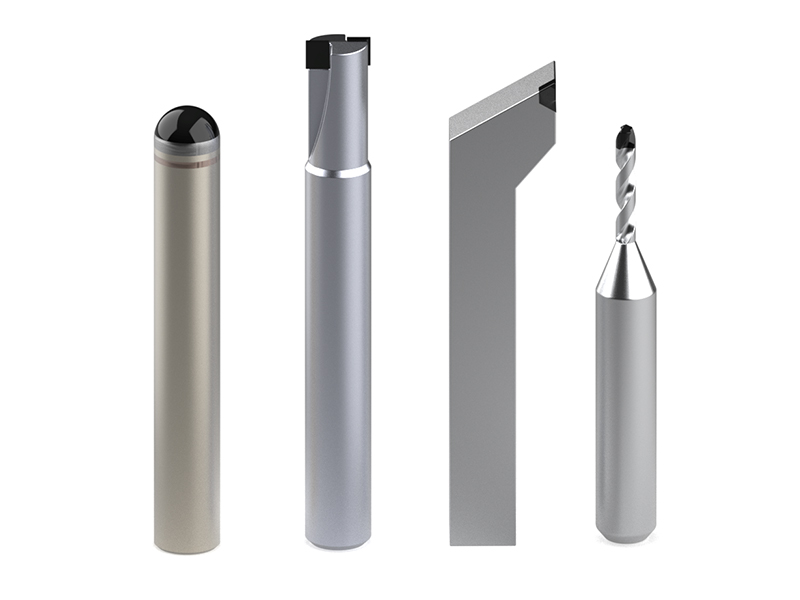
JoyJet provides multiple MCD tool configurations designed for different precision machining requirements, including:
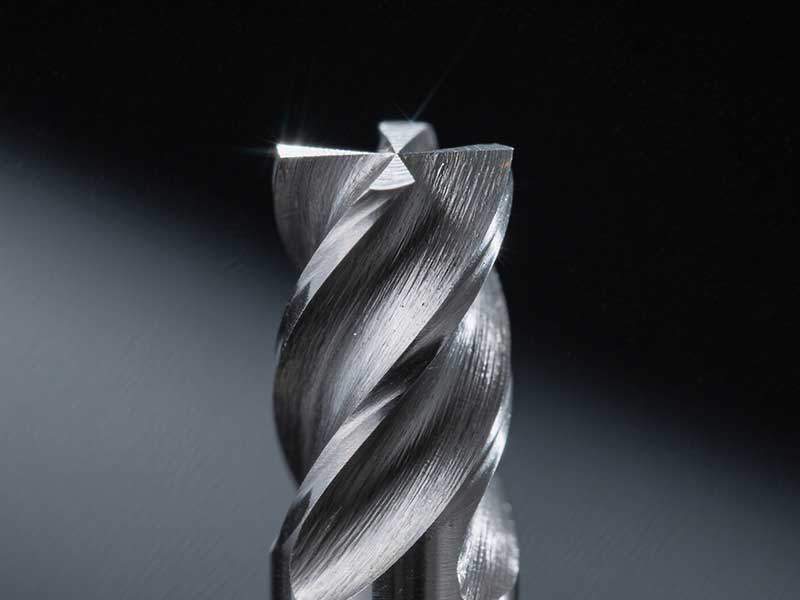
MCD Double Flute End Mill: Designed for precision milling where cutting stability and surface quality are important.
MCD Mirror Finish End Mill: Used for applications requiring ultra-smooth surfaces, especially on materials such as aluminum, copper and acrylic.
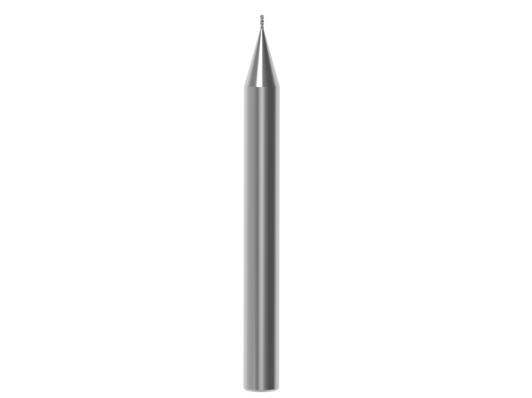
MCD Ultra-Small Milling Cutter: Developed for micro machining applications, with product information listing diameter ranges from 0.1–3 mm.
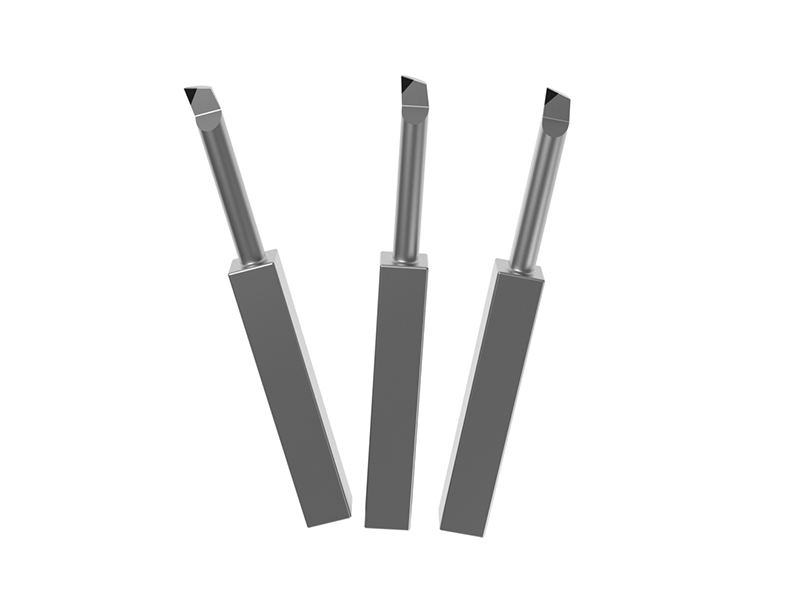
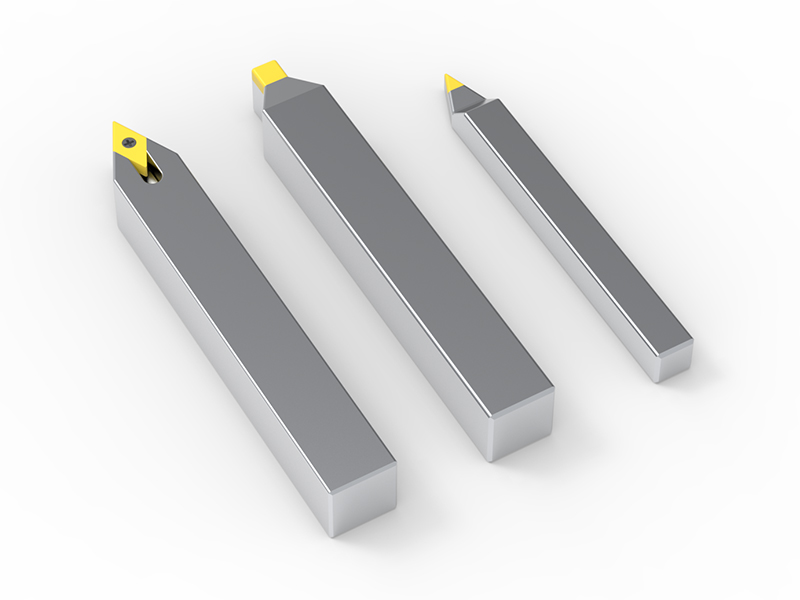
MCD Circular Arc Lathe Cutter: Designed for turning applications that require controlled cutting profiles and precision edge performance.
These tools demonstrate an important relationship: the diamond material provides the cutting capability, while the tool design determines how effectively that capability is transferred to the workpiece.
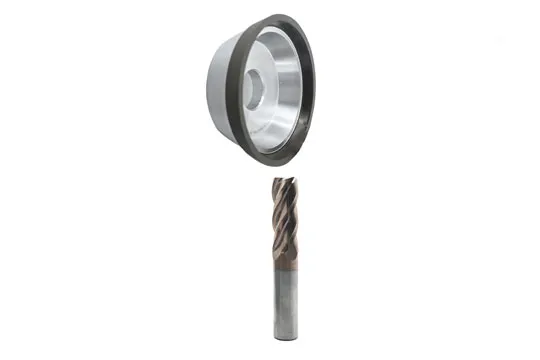
MCD and PCD are both diamond-based cutting materials, but their different structures create different machining characteristics. The choice between them depends on the balance between edge precision, toughness and machining requirements.
| Factor | MCD | PCD |
|---|---|---|
| Structure | Single crystal | Multiple diamond grains |
| Edge sharpness potential | Extremely high | High |
| Toughness | Lower | Higher |
| Ultra-fine finishing | Excellent potential | Excellent for many applications |
| Impact resistance | More sensitive | Generally higher |
| Typical role | Ultra-precision cutting | High-efficiency precision machining |
MCD is often selected when edge sharpness and surface integrity are the main priorities. PCD, with its polycrystalline structure, generally provides higher toughness and is widely used for efficient machining of non-ferrous materials and composites.
Neither material is universally better. The correct choice depends on the workpiece material, machining strategy and required final quality.
Although MCD diamond provides exceptional material properties, tool geometry determines how those properties are applied during machining. A milling tool, finishing tool and turning tool all interact with the workpiece differently.
For example, a mirror finishing tool focuses on achieving extremely smooth surfaces, while an ultra-small milling cutter is designed for machining miniature features. A circular arc lathe cutter uses a specialized edge profile for controlled turning operations.
When selecting an MCD tool, manufacturers need to consider:
Workpiece material and hardness
Required surface finish
Machining method, such as milling or turning
Machine rigidity and operating conditions
This approach ensures that the selected tool structure matches the actual manufacturing requirement rather than relying only on material specifications.
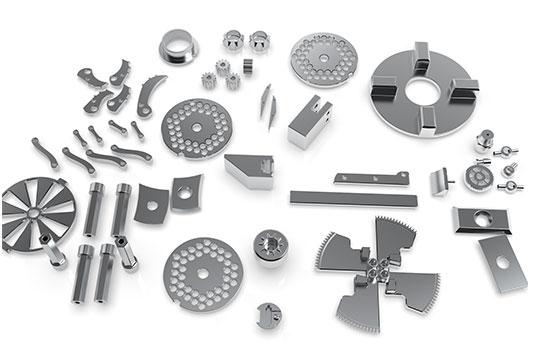
As industries continue moving toward smaller components and tighter tolerances, the demand for precision cutting solutions continues to increase. MCD tools are particularly valuable in applications where surface quality, dimensional accuracy and fine feature machining are important.
Typical application fields include:
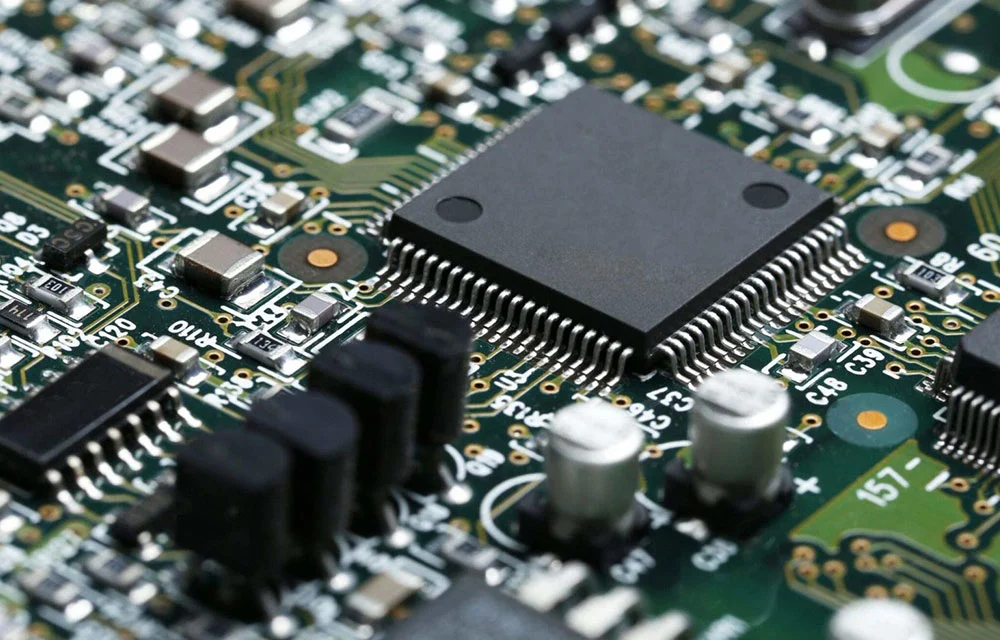
Electronics manufacturing, where small features and smooth surfaces are required.
Aerospace components, where precision and dimensional stability are critical.
Automotive parts and molds, where accurate geometries are needed.
3C products, where miniature structures require controlled machining performance.
JoyJet’s MCD tool portfolio supports these precision machining needs through different configurations, including end mills, micro cutters and specialized turning tools.
The importance of MCD diamond is not only its hardness, but how its single-crystal structure enables precise cutting edge control. By combining suitable geometry, edge preparation and machining conditions, MCD tools can help manufacturers achieve higher surface quality and tighter dimensional control. JoyJet applies MCD material technology to precision tool designs for applications requiring fine machining performance.
MCD stands for Monocrystalline Diamond. It refers to a single-crystal diamond cutting material used for precision machining applications.
MCD tools can produce fine surfaces because their crystal structure supports sharp cutting edges, low friction cutting and stable material removal.
MCD is mainly used for non-ferrous materials and certain precision applications. PCBN tools are generally more suitable for hardened steels and ferrous materials.
JoyJet’s MCD Ultra-Small Milling Cutter product information lists diameter options from 0.1–3 mm depending on the specific configuration.
Tool geometry influences cutting force, chip formation, edge stability and surface quality. Different designs allow MCD tools to perform better in different machining operations.
MCD is generally preferred when maximum edge precision and ultra-fine finishing are required, while PCD may be more suitable when higher toughness and efficient machining are priorities.