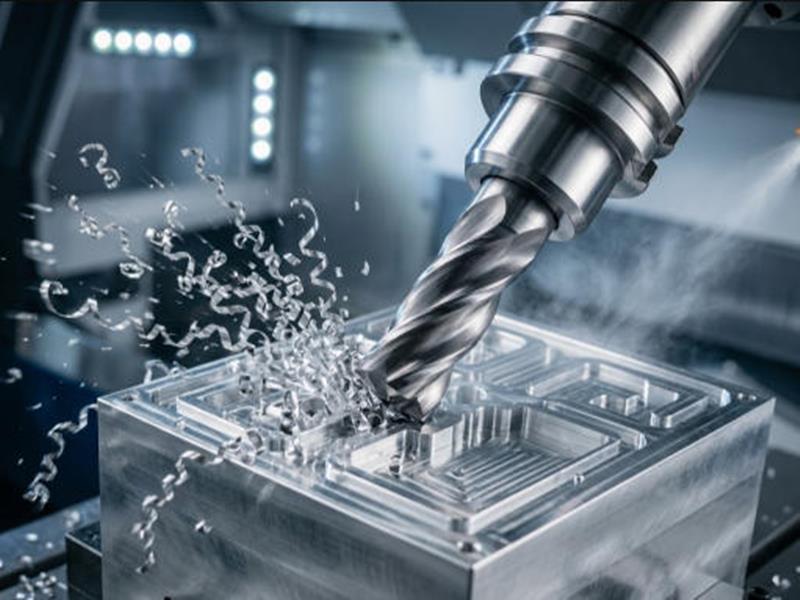

When machining hardened steels, cast iron and other difficult-to-cut materials, tool performance depends on much more than simple hardness. The selection of CBN material is closely related to thermal behavior, wear resistance, edge stability and how the material is engineered into a finished cutting tool. Although CBN is widely recognized as a superhard cutting material, the final machining result depends on the complete relationship between material characteristics, tool structure and cutting conditions.
Instead of viewing CBN only as a hard material, engineers need to understand how CBN-based cutting tools transform material properties into stable machining performance. This is why PCBN tools are designed with different CBN contents, binder systems and geometries for specific machining requirements.
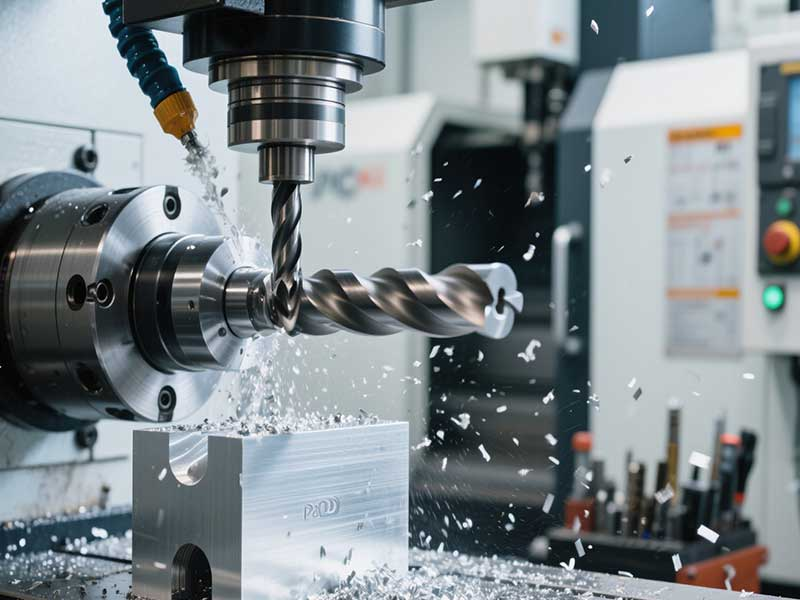
Hard machining creates challenges that conventional cutting tools may struggle to handle. Hardened steel, cast iron and other high-hardness materials can generate significant cutting forces, abrasive wear and elevated temperatures during machining. In these conditions, the cutting material needs to maintain edge integrity while resisting wear over extended operations.
CBN material is suitable for these applications because it combines high hardness with strong thermal stability and chemical characteristics that are beneficial for machining ferrous materials. Unlike many conventional tool materials that lose cutting ability as temperature increases, CBN-based cutting materials are designed to maintain performance under demanding thermal conditions.
However, hardness alone does not determine tool success. A cutting edge must also withstand mechanical stress, vibration and repeated contact with the workpiece. The balance between hardness, toughness and edge preparation determines whether a tool can achieve stable machining results.

In practical machining, a cutting tool must perform under a combination of mechanical and thermal influences. While the hardness of CBN contributes to wear resistance, other characteristics are equally important when developing PCBN tools.
| Property | Why It Matters in Cutting |
|---|---|
| Hardness | Helps resist abrasive wear from hard workpiece materials |
| Thermal stability | Supports cutting performance under high-temperature conditions |
| Toughness | Helps reduce edge chipping and mechanical failure |
| Chemical stability | Influences wear behavior during machining |
| Edge geometry | Determines actual cutting efficiency and surface quality |
For example, a tool with extremely high hardness but unsuitable toughness may become vulnerable to edge damage under unstable cutting conditions. Similarly, a well-designed tool geometry can improve cutting performance by controlling chip formation and reducing unnecessary stress on the cutting edge.
This shows why CBN material should not be evaluated by a single specification. The interaction between material properties and tool design is what ultimately determines machining performance.
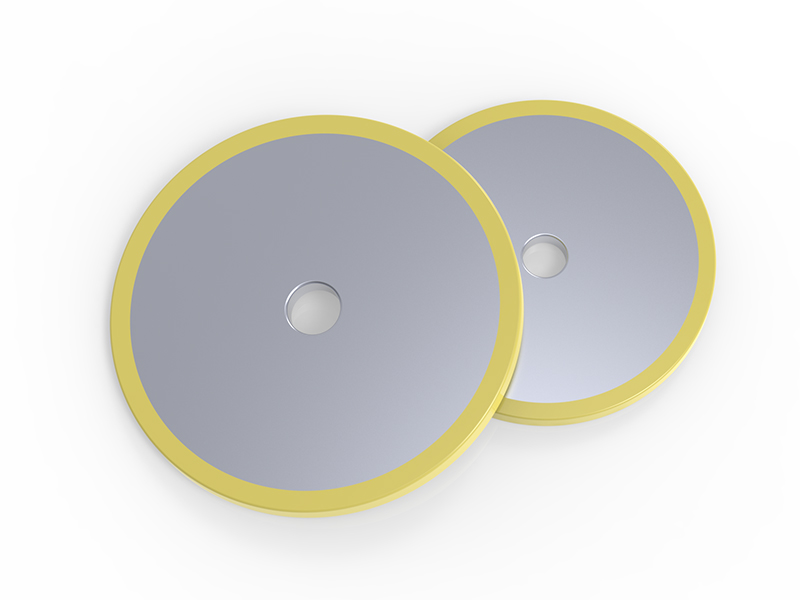
CBN material itself is not a finished cutting tool. To become a functional PCBN insert or cutter, CBN particles must be combined with other engineering elements that influence the final tool behavior.
The manufacturing process involves considerations such as:
CBN content and grain distribution
Binder selection
Supporting substrate design
Edge preparation
Tool geometry
Application-specific configuration
Different combinations can create tools with different balances between wear resistance, toughness and cutting stability. For example, a tool designed for continuous hard turning may require different characteristics from one used for interrupted cutting operations.
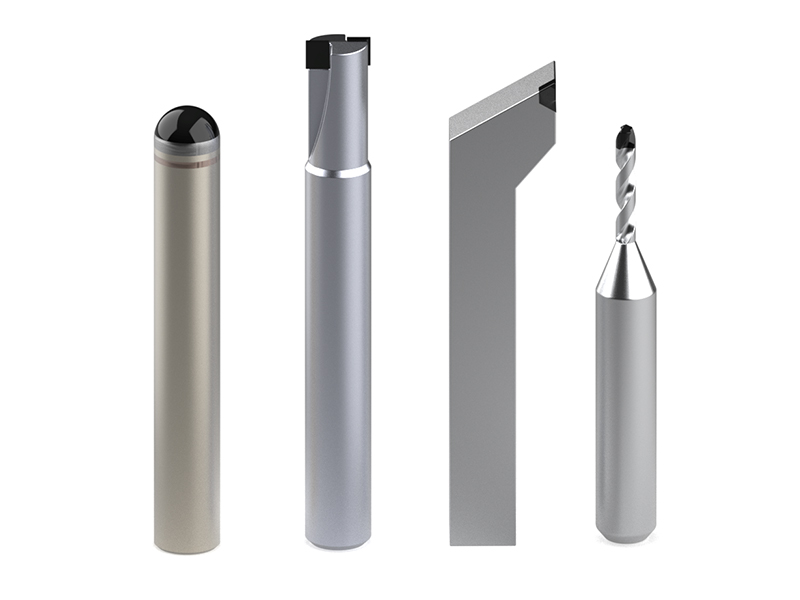
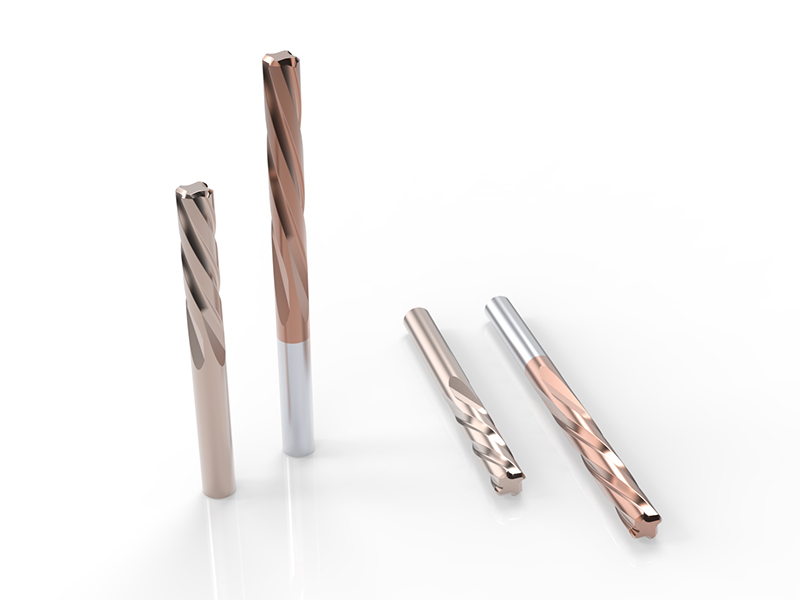
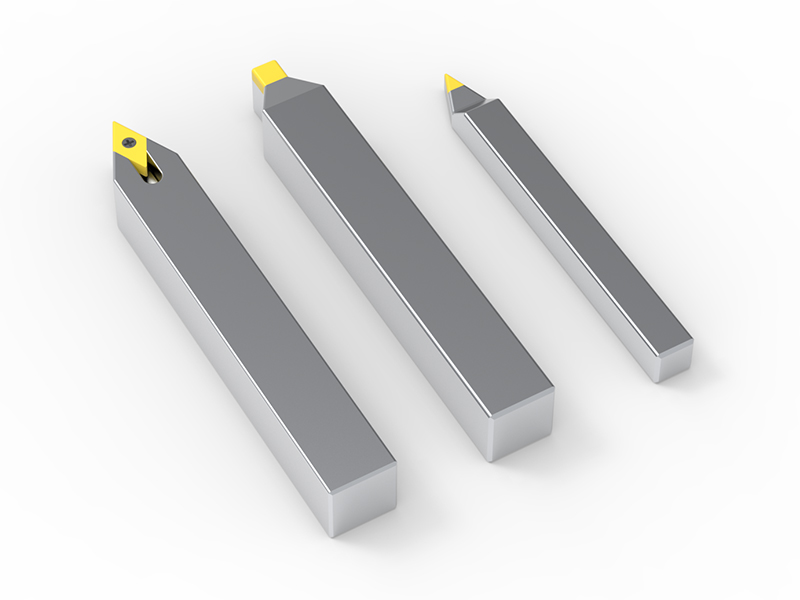
This is also why PCBN tools are available in different forms, including PCBN turning tools, PCBN milling cutters, grooving tools and CBN/PCBN inserts. JoyJet provides PCBN tooling solutions designed around different machining conditions rather than treating every application with a single tool structure.
Heat management is one of the most important factors in hard machining. During high-speed cutting, temperatures at the cutting edge can become extremely high, creating challenges for tool wear and dimensional stability.
The thermal characteristics of CBN material allow PCBN tools to operate in environments where maintaining cutting edge performance is critical. JoyJet’s PCBN product specifications list thermal resistance values in the approximate range of 1200–1500°C depending on the product category. These figures represent product-level specifications and actual machining performance can vary according to workpiece material, cutting parameters, machine rigidity and tool geometry.
Temperature alone does not determine tool life. Excessive heat combined with unsuitable cutting conditions can still accelerate wear. Proper selection of cutting speed, feed rate, depth of cut and tool geometry is necessary to maximize the benefits of CBN-based cutting tools.
The same CBN-based cutting material can behave differently when integrated into different tool designs. Geometry plays an important role in controlling cutting forces, chip flow and edge loading.
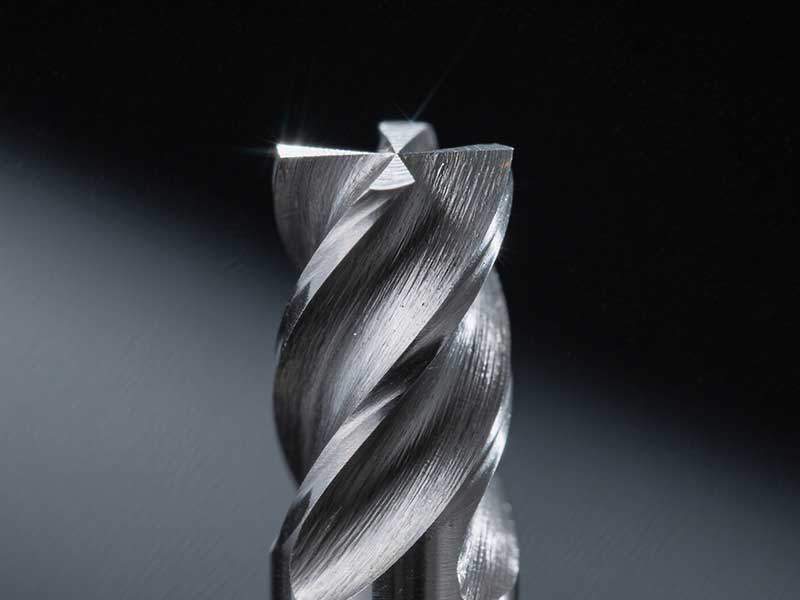
For turning operations, PCBN tools are commonly designed for applications such as hardened steel and cast iron machining, where stable cutting and wear resistance are essential. Milling applications require careful consideration of impact resistance because the cutting edge experiences repeated engagement and disengagement with the workpiece. Grooving operations may require specialized edge designs to maintain precision and reliability.
The relationship can be summarized as:
CBN material characteristics → tool structure → cutting behavior → machining results
A high-performance cutting solution is therefore not created by material selection alone. The tool design must match the specific machining environment.
Different superhard materials are developed for different machining challenges. Choosing the right material depends on the workpiece type, required surface quality and operating conditions.
| Material | Typical Strength | Typical Machining Direction |
|---|---|---|
| PCD | Low friction and excellent wear resistance | Non-ferrous metals and composites |
| PCBN/CBN | Thermal stability and hard-material machining capability | Hardened steels and cast iron |
| MCD | Extremely sharp cutting edges | Ultra-precision machining |
| Carbide | Versatility and toughness | Broad machining applications |
PCD and PCBN are sometimes compared because both belong to advanced cutting material categories, but their ideal applications are different. PCD is commonly selected for materials such as aluminum, copper and composite materials, while CBN and PCBN are more suitable for hardened steels and cast iron.
Understanding these differences helps manufacturers avoid selecting a tool based only on hardness values and instead focus on the complete machining requirement.
The value of CBN material comes from how its properties are transformed into practical cutting performance. Hardness, thermal stability, binder technology and tool geometry all contribute to machining results. For manufacturers working with hardened steels, cast iron or other high-hardness materials, selecting the right PCBN tool design is just as important as selecting the cutting material itself. JoyJet provides PCBN turning, milling and grooving solutions designed for different high-performance machining requirements.
No. CBN is the core cutting material, while PCBN is an engineered cutting tool material made by combining CBN particles with binder systems and other structural elements.
CBN offers high hardness, thermal stability and wear resistance, making it suitable for machining hardened steels where conventional tools may experience rapid wear.
Not necessarily. Higher CBN content can improve certain properties, but the final performance also depends on binder composition, grain structure, tool geometry and machining conditions.
The binder helps control toughness, thermal behavior and structural stability. Different binder systems can influence how the tool performs under specific cutting conditions.
Yes. PCBN tools are commonly used for cast iron machining because of their wear resistance and ability to maintain cutting performance under demanding conditions.
CBN is mainly used for ferrous hard materials such as hardened steel and cast iron, while PCD is generally preferred for non-ferrous metals and abrasive non-metallic materials.