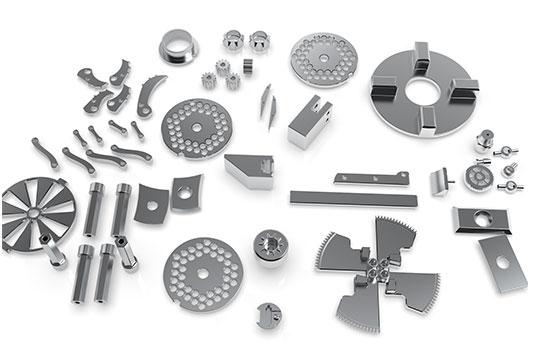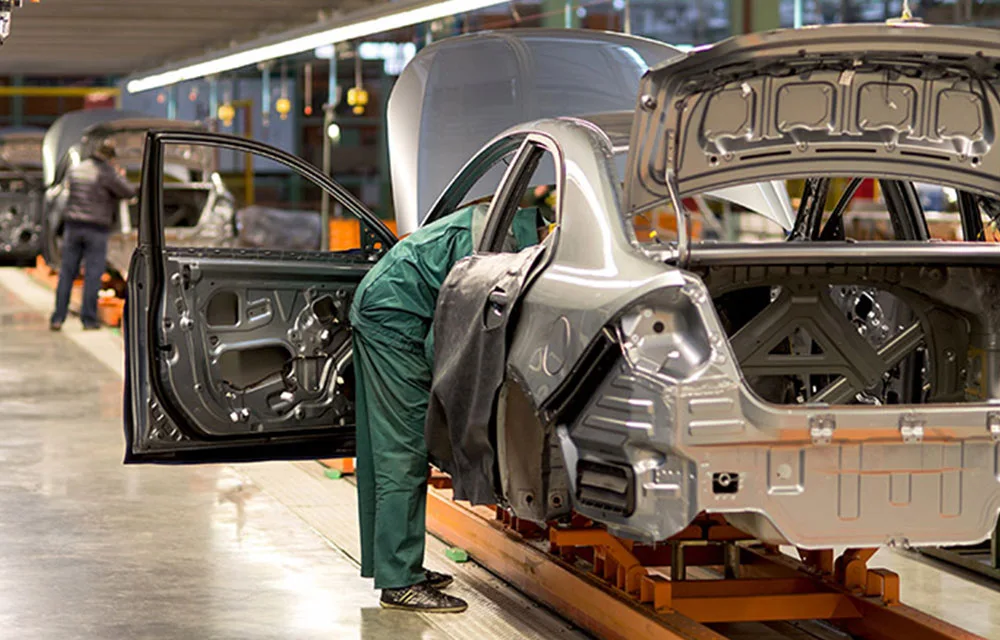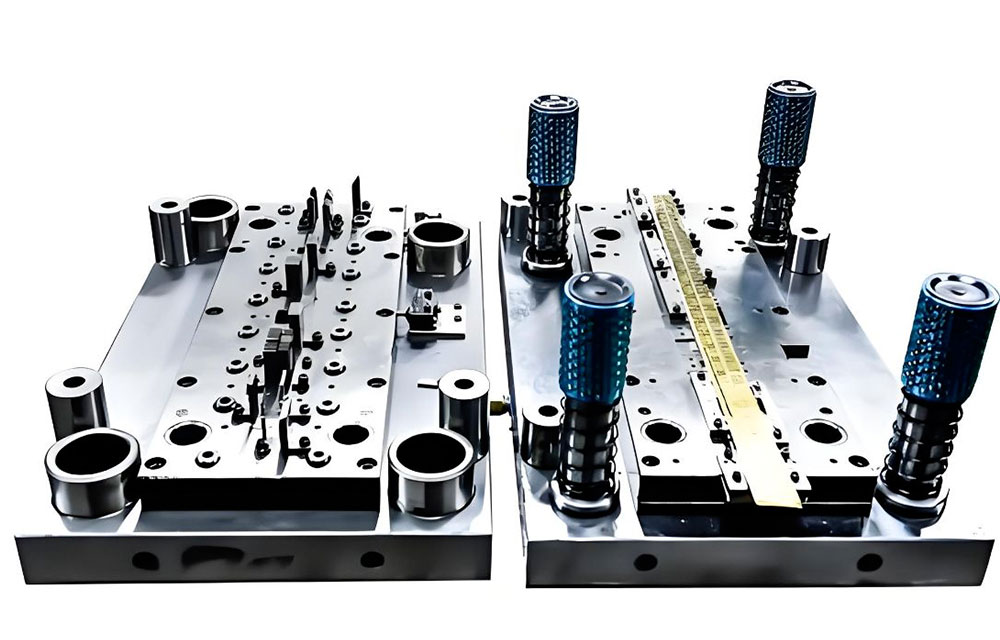

Choosing the right CNC insert material is essential for achieving stable cutting performance, consistent surface quality, and predictable tool life. Different workpiece materials and machining conditions require different combinations of hardness, toughness, wear resistance, and thermal stability. Understanding the characteristics of carbide, PCD, PCBN, and ceramic materials helps CNC manufacturers select an insert that matches both the machining process and production requirements.
The CNC insert material determines how well an insert handles cutting heat, mechanical impact, abrasion, and chemical wear. A material that works well for aluminum may not be appropriate for hardened steel or cast iron.
Insert selection therefore affects more than tool life. The right material can support higher cutting speeds, stable dimensions, better surface finish, and fewer tool changes. Buyers should evaluate insert material together with cutting speed, feed rate, depth of cut, workpiece hardness, and machine rigidity.
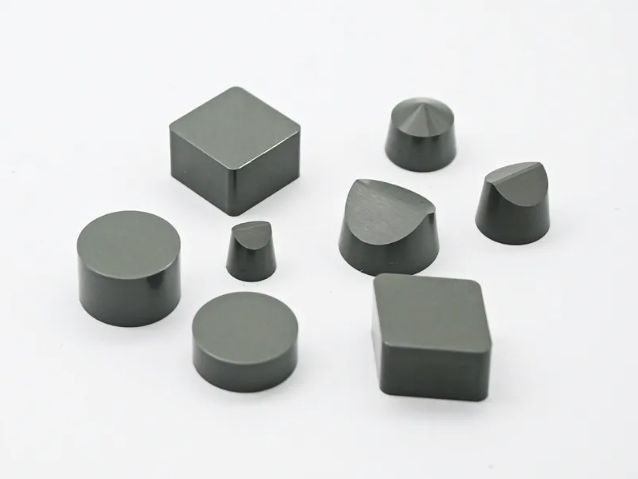
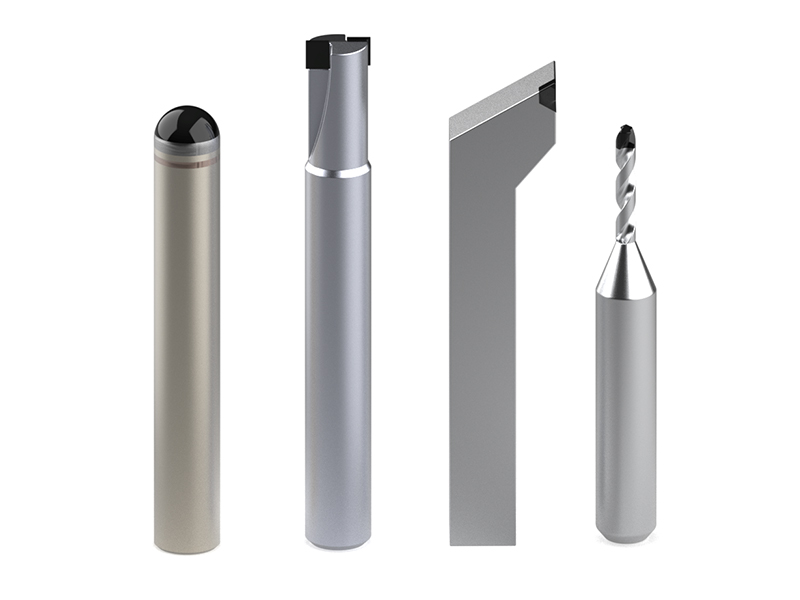
Several material categories are widely used for CNC cutting tools, with each offering different performance characteristics.
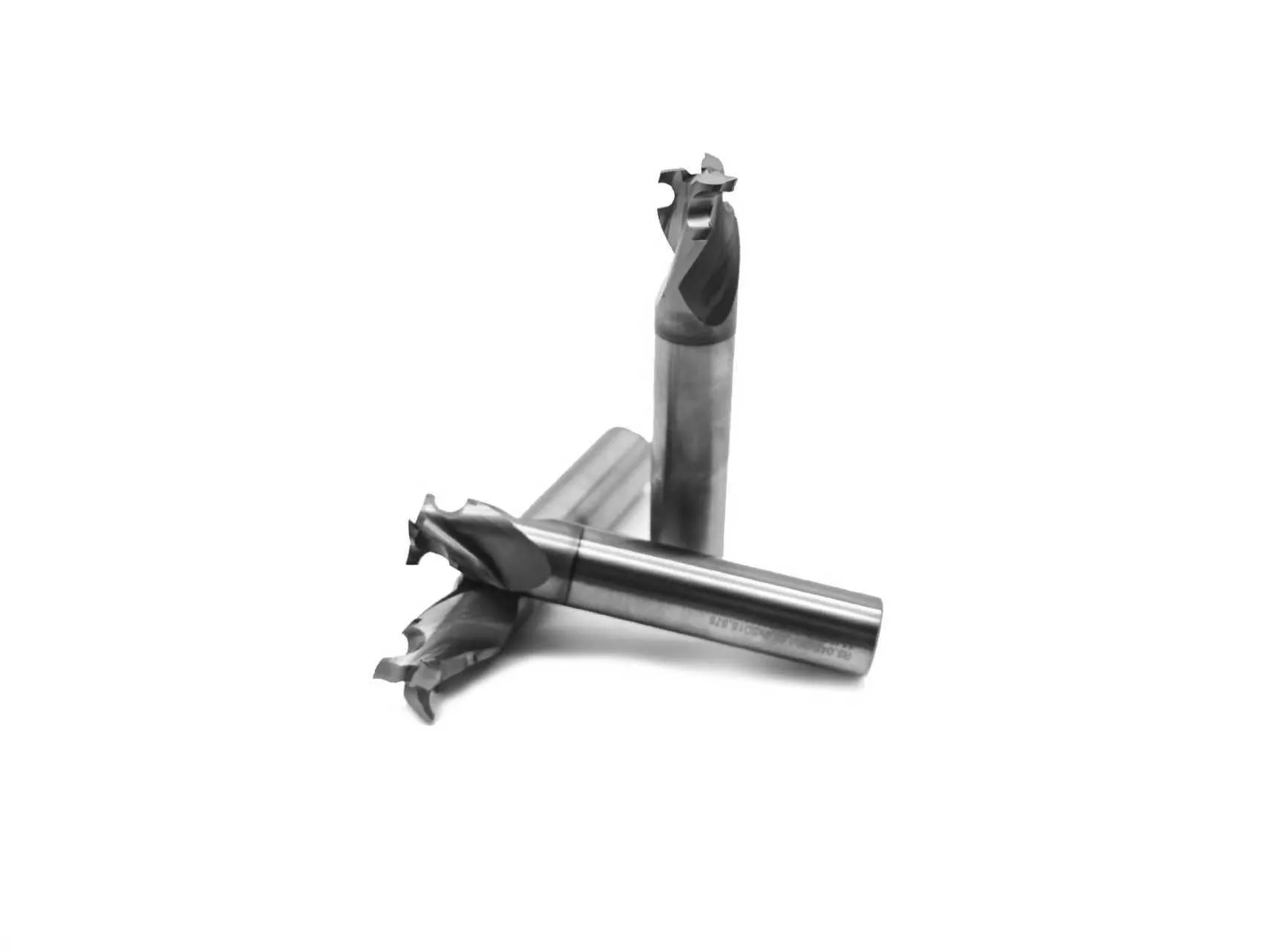
Carbide: A versatile option offering a balance of hardness, toughness, wear resistance, and cost. It is widely used for general turning, milling, drilling, and other CNC operations.
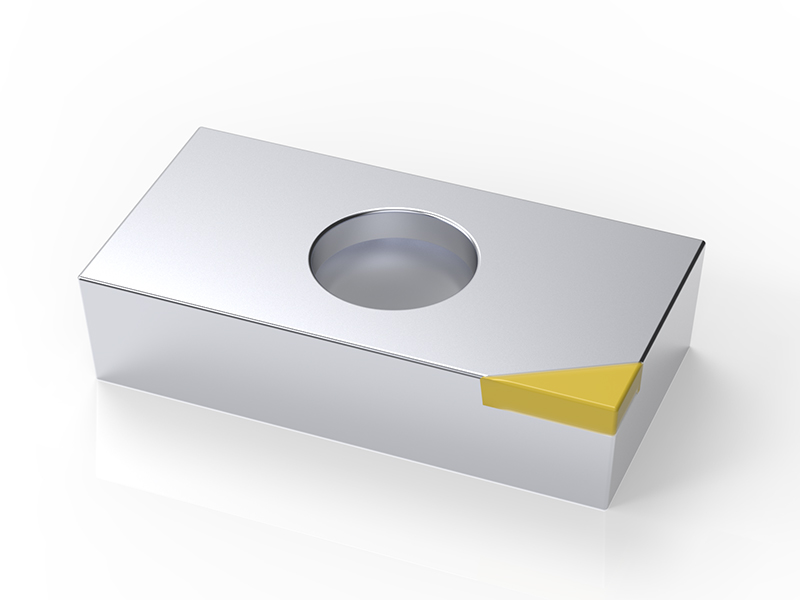
PCD: Extremely hard and wear-resistant, making it suitable for abrasive non-ferrous materials, aluminum alloys, composites, graphite, and other applications where long edge life is important.
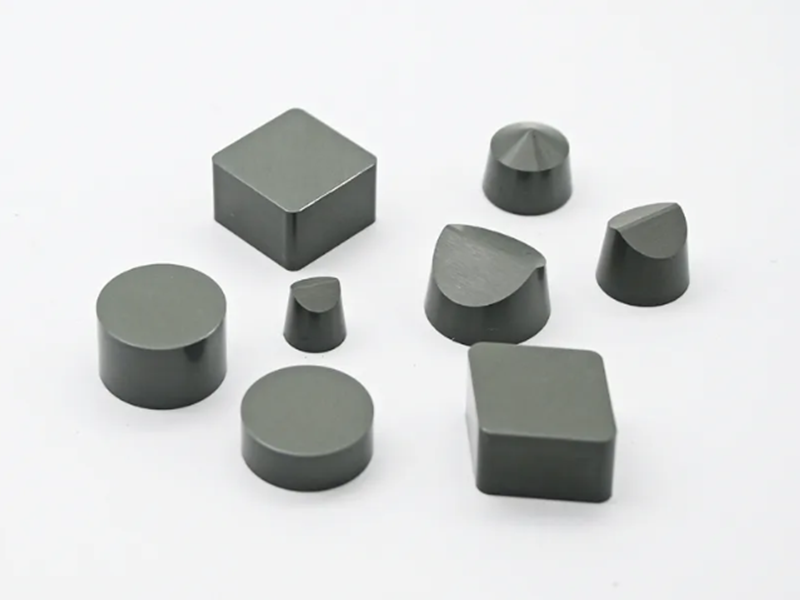
PCBN: Designed for demanding machining of hardened steels, cast irons, and other difficult materials where high hardness and thermal stability are required.
Ceramic: Provides high-temperature resistance and can support high-speed machining in suitable applications, particularly with cast iron and certain hardened or heat-resistant materials.
The appropriate CNC insert material depends on the relationship between workpiece characteristics and cutting conditions rather than the material's hardness alone.
Carbide remains one of the most widely used CNC insert material options because it provides a practical combination of performance, versatility, and cost.
Different carbide grades can be designed for different machining requirements. Some prioritize toughness for interrupted cuts, while others emphasize wear resistance for continuous machining. Coatings can further improve resistance to heat and wear.
For manufacturers handling multiple workpiece materials, carbide offers flexibility without requiring highly specialized tooling for every operation. Selecting the appropriate CNC insert grade, geometry, coating, and cutting parameters is still essential for achieving stable results.
High-performance insert materials are generally selected when conventional carbide cannot provide the required combination of tool life, speed, or surface quality.
PCD is particularly effective for abrasive non-ferrous materials and composites. PCBN is commonly considered for hardened steels and cast iron, where its thermal and wear properties can support demanding cutting conditions.
Ceramic inserts can operate at high cutting temperatures and are used in suitable high-speed machining applications. When sourcing from ceramic inserts suppliers, buyers should confirm the ceramic grade, compatible workpiece materials, cutting parameters, and recommended application range rather than selecting solely on price.
Selecting a CNC insert material should begin with the workpiece and machining conditions.
Identify the workpiece: Aluminum, steel, stainless steel, cast iron, hardened steel, and composites place different demands on the cutting edge.
Define the machining operation: Turning, milling, grooving, and finishing may require different grades and geometries.
Consider production volume: High-volume production can justify a more specialized insert when longer tool life reduces tool changes.
Match cutting conditions: Cutting speed, feed, depth of cut, coolant, machine rigidity, and interrupted cutting all influence insert performance.
A suitable CNC insert material should provide the required balance between cutting performance and total machining cost.
Tool life is influenced by much more than insert material. Excessive cutting speed can accelerate thermal wear, while unsuitable feed rates or depth of cut can increase mechanical stress.
Workpiece hardness, machine vibration, coolant conditions, tool geometry, edge preparation, and chip control also affect performance. Even a high-performance CNC insert material can produce poor results when its recommended operating range is ignored.
For this reason, insert selection should consider the entire machining system instead of treating material grade as an isolated specification.
Carbide is one of the most widely used options because it offers a strong balance of hardness, toughness, wear resistance, versatility, and cost.
Yes. PCD provides extremely high hardness and wear resistance, particularly for suitable abrasive non-ferrous materials.
Ceramic inserts can be suitable for high-speed machining of certain cast irons, hardened materials, and heat-resistant alloys when cutting conditions are properly controlled.
PCBN is commonly used for hardened steels, cast irons, and other difficult-to-machine materials requiring high wear and thermal resistance.
Yes. Coating can improve resistance to heat, abrasion, and chemical wear, so the insert grade and coating should be considered together.
Use the correct CNC insert material, grade, geometry, and cutting parameters for the workpiece and operation. Stable machine conditions and proper chip control are also important.