
The new normal for the precision industry is defined by the need for extreme efficiency and cost-control. As we detailed in our foundational guide on Carbide Price Hikes in 2026, the cost of new tooling is a volatile variable. For industries operating on thin margins, such as high-volume automotive parts or semiconductor components, finding a reliable way to lower the “Cost Per Part” is essential for long-term growth.
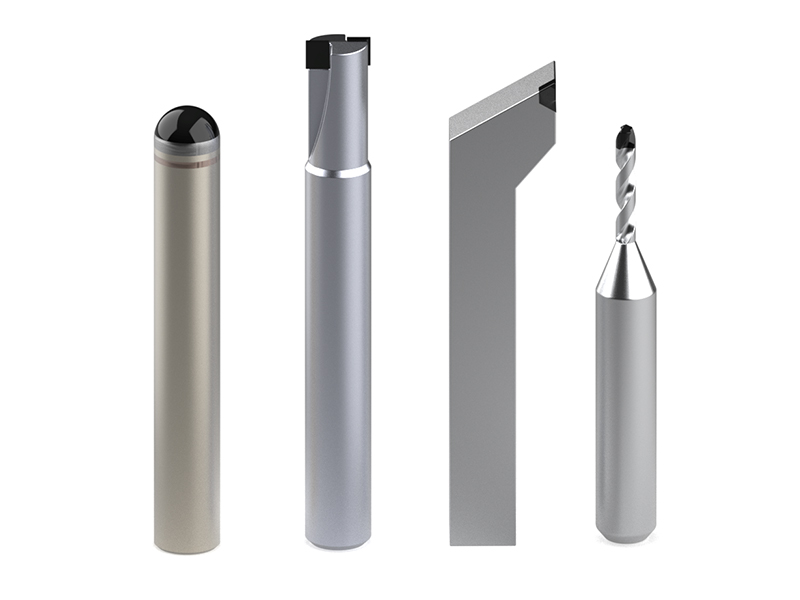
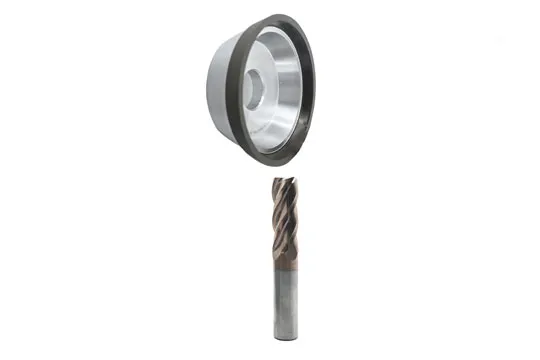
At JoyJet, we don’t just supply precision diamond tools; we manage their entire lifecycle. Our Expert Regrinding & Refurbishing for PCD, CBN, and CVD Inserts is tailored to the unique demands of specific sectors. This article explores the industries where reconditioning offers the most significant financial returns and how our Experienced Team helps you Extend Tool Life · Maximize Efficiency · Reduce Waste.
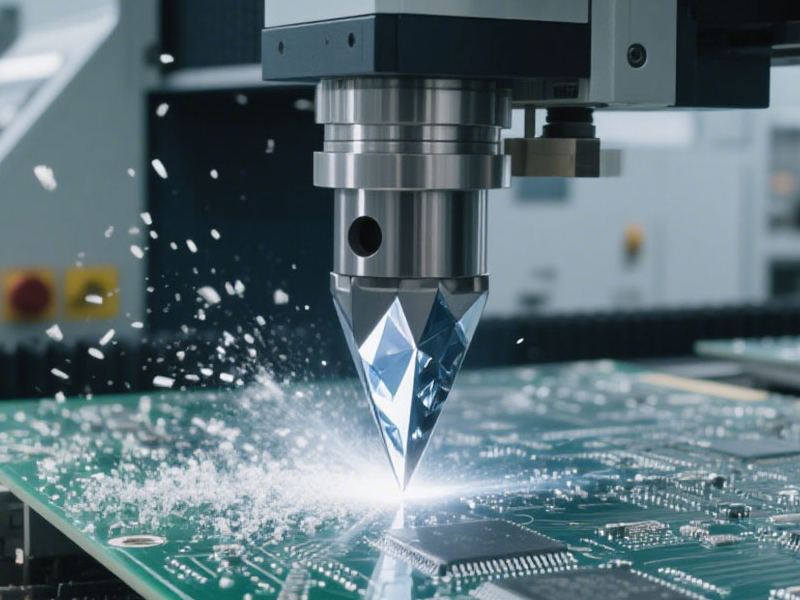
In sectors like Consumer Electronics and Semiconductors, these materials are the standard, but they are notoriously difficult to machine because they don’t “cut”—they “fracture.”
When machining ceramics, glass, sapphire, or silicon, tool wear is not always visible to the naked eye.
What to look for: The most common sign is “Micro-Chipping” along the PCD cutting edge. Even a 5-micron chip can cause a crack in a sapphire screen or a silicon wafer, leading to an immediate part rejection.
Performance Restoration: Once the edge loses its “honed” perfection, the cutting force increases, leading to more heat and potential workpiece damage. JoyJet’s Precision sharpening for flawless cuts removes this micro-damaged layer, restoring the tool’s geometry to factory-fresh specs. By catching this wear early, you can refurbish a tool up to 5 times, dramatically reducing your procurement costs for these expensive custom diamond tools.
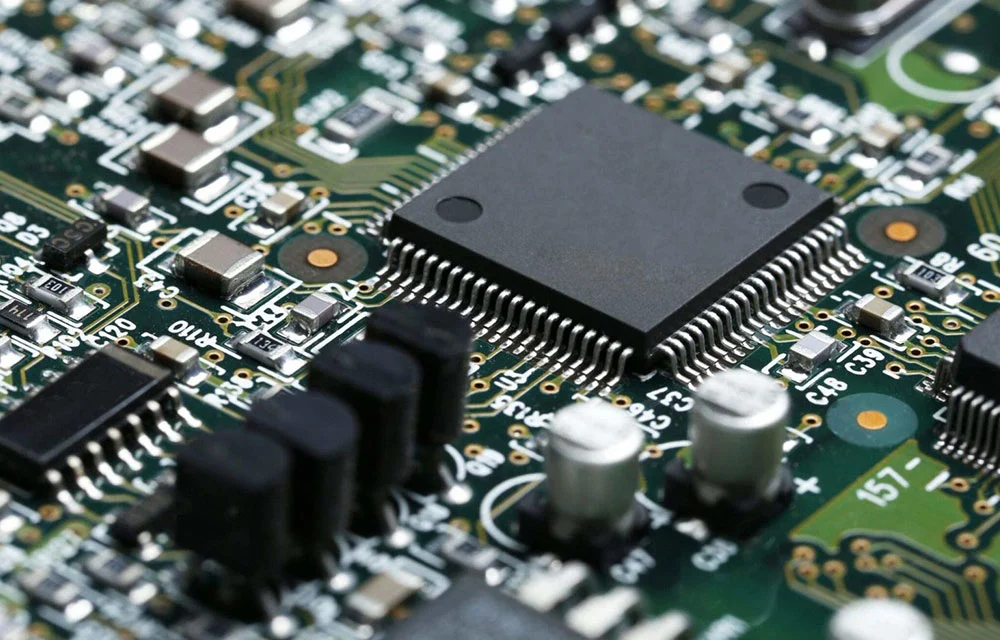
In the world of consumer electronics, precision is measured in microns. JoyJet provides specialized reconditioning for tools used in processing high-value components.
The Challenge: Machining sapphire covers for smartphones or ceramic housings for wearables causes rapid edge degradation.
The JoyJet Solution: Through our diamond tool sharpening service, we ensure that the refurbished tool maintains the exact profile and radii needed for sleek, modern device designs. We focus on the “Micro-Geometry” of the PCD edge.
The Saving: For a semiconductor fab, refurbishing a custom PCD milling tool costs roughly 30% to 40% of a new one, while maintaining the High Satisfaction Rate required for delicate wafer processing.
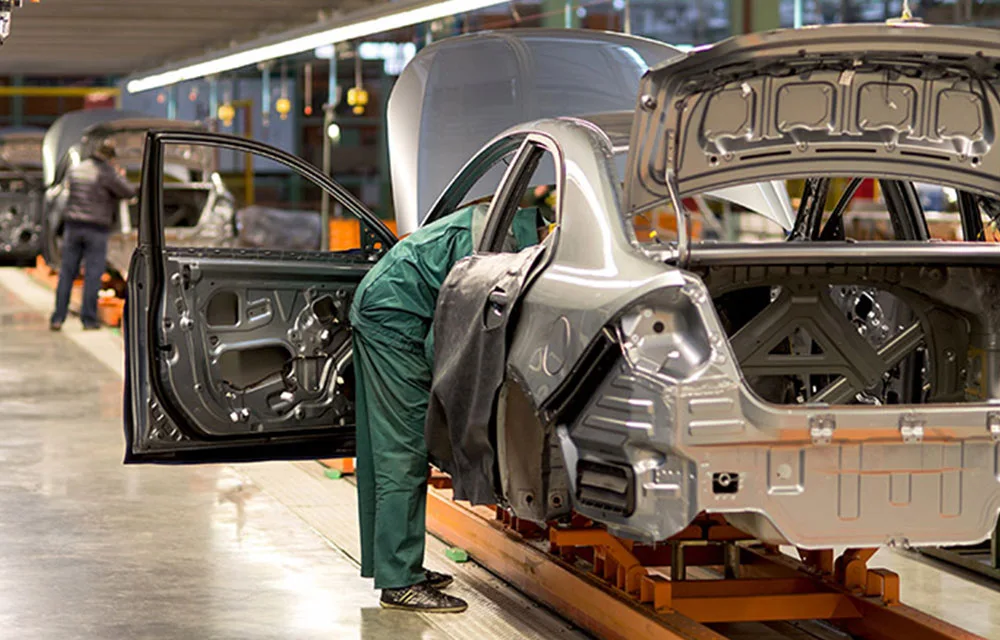
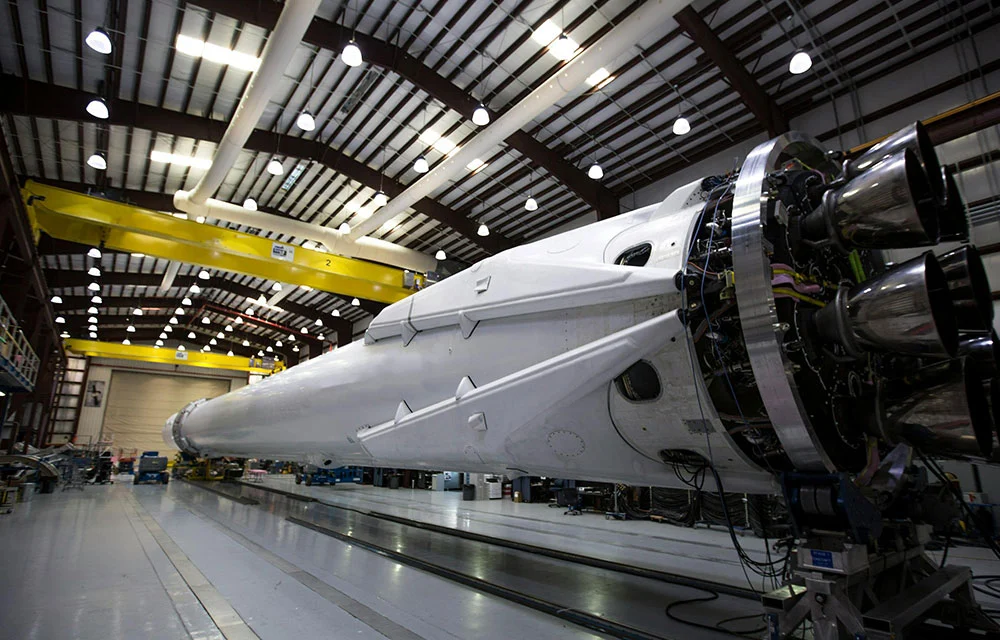
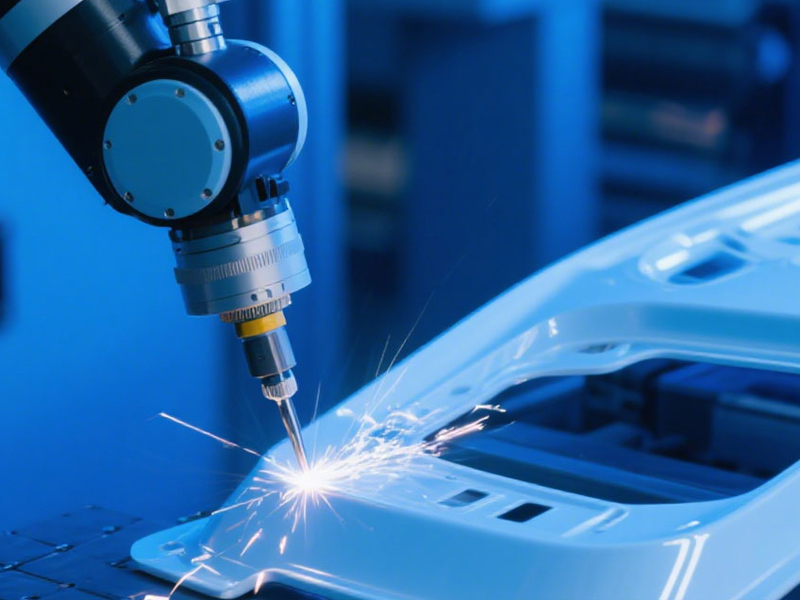
The automotive and aerospace sectors are the primary users of ferrous metals and hardened alloys. These materials generate immense heat during CNC machining, which is where CBN (Cubic Boron Nitride) tools excel.
The Challenge: High-speed machining of engine blocks, transmission gears, and aerospace turbine components leads to “crater wear” and thermal degradation of the tool tip.
The JoyJet Solution: Our wear-resistant recoating services and structural refurbishment are vital here. We don’t just regrind the tool; we re-apply industrial coatings that allow the tool to operate at high temperatures without losing hardness.
The Saving: In heavy-duty automotive CNC lines, a single CBN insert can often be refurbished multiple times. This reduces the “Tooling Cost Per Part” by over 50% over a 12-month production cycle.

Not all refurbishing services are created equal. Poorly executed reconditioning can actually cost you more in the long run. Here is how to avoid common pitfalls:
Avoid “Standard” Sharpening for “Custom” Tools: Standard shops often use manual grinding that changes the tool’s center height or radii. Always use a provider with industrial-grade equipment that can follow your original tool drawings.
Don’t Ignore Edge Preparation: A “razor-sharp” edge is often too brittle for tungsten carbide or ceramics. Ensure your supplier understands “Edge Honing” to provide the strength needed for high-impact cuts.
Check for Heat Damage: Inexpensive grinding can cause “grinding burns” or micro-cracks in the PCD/CBN layer. JoyJet’s Experienced Team uses flood-cooled CNC grinding to ensure no thermal damage occurs during the recovery process.
Demand Traceability: Ensure every refurbished tool comes with a QC report. Without data on runout and dimensional accuracy, you are risking your spindle and your workpiece.
To demonstrate our Quality and after-sales guarantee, let’s look at three typical scenarios:
Tool: Custom PCD micro-drill for titanium/molybdenum implants.
Problem: High replacement costs and 8-week lead times for new tools.
JoyJet Result: Refurbished with a 7-day Timely Delivery. Tool life was 95% of the original new tool, saving the client 60% per tool.
Tool: Multi-step CBN boring tool for cast iron components.
Problem: Carbide price hikes were eating into the contract’s profit margin.
JoyJet Result: Implemented a “Cycle Management” program. Total tooling spend dropped by 42% annually.
Tool: CVD Diamond-coated end mill for abrasive glass-ceramics.
Problem: Edge chipping causing a 12% scrap rate.
JoyJet Result: JoyJet’s Precision sharpening reduced the scrap rate to under 1% by restoring the edge integrity to factory specs.
Are you ready to lower your tooling costs and improve your production efficiency? JoyJet makes it easy to evaluate your current worn tools for refurbishment. To provide an accurate quote and feasibility report, please prepare the following:
Material Information: What workpiece material are you cutting (e.g., Sapphire, Silicon, Ferrous Metal)?
Tool Drawings: Please provide the original CAD drawings or specification sheets for your custom tools.
Tool Life & Failure Photos: Send us high-resolution photos of the worn cutting edges. This helps our Experienced Team perform a “failure analysis” to see if reconditioning is the right path for you.
Yes. Our Experienced Team follows ISO-level quality protocols and utilizes high-magnification optical inspection to ensure every tool meets the rigorous safety and precision standards of the Medical and aerospace sectors.
In high-volume CNC machining, downtime is the enemy. Our Timely Delivery ensures you don’t need to over-purchase new tools to compensate for long lead times.
By refurbishing tool bodies, we reduce the demand for the mining of critical minerals and lower the carbon footprint of your supply chain. It is a true “circular economy” solution.